

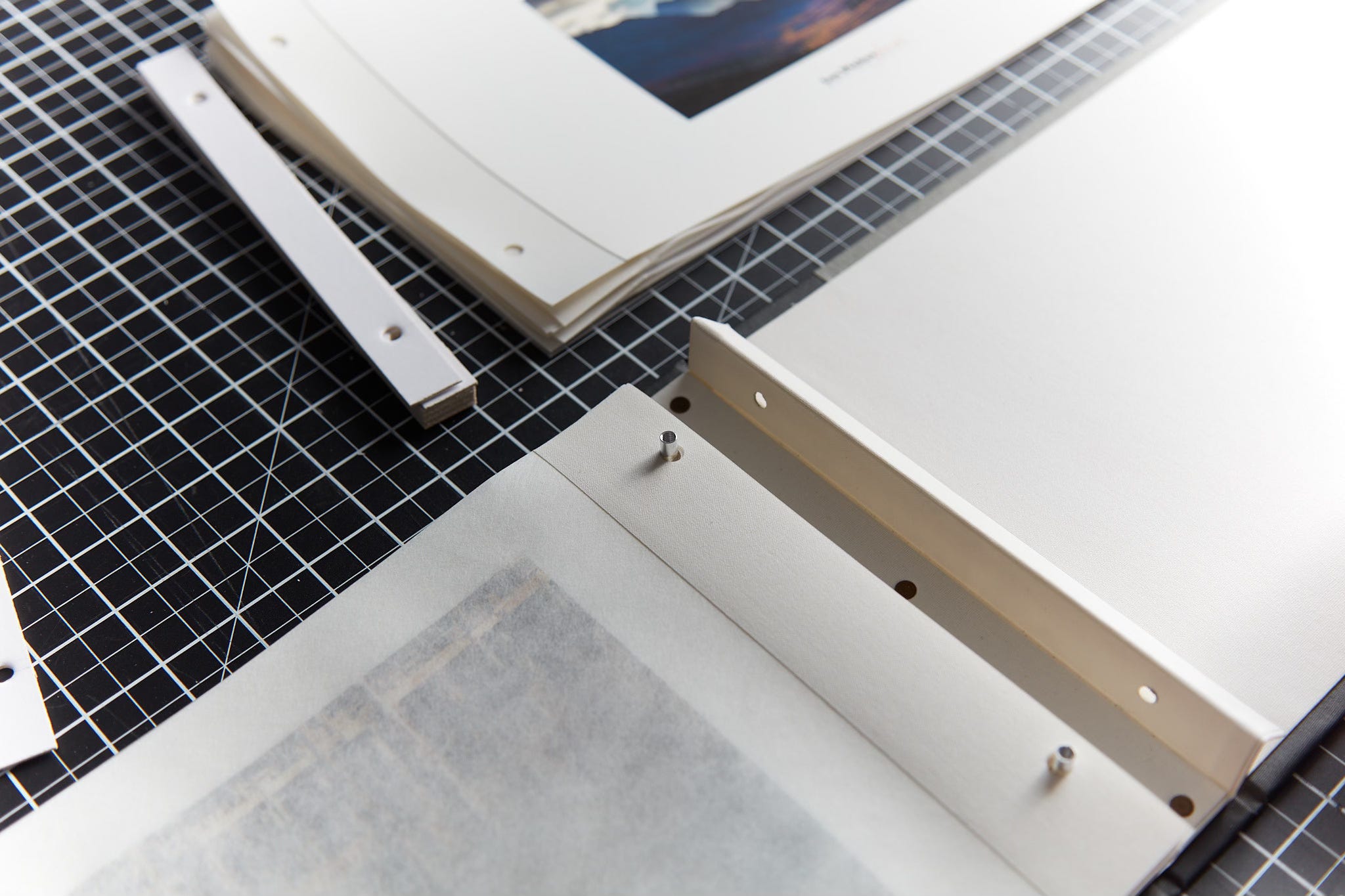
It’s been a while since we’ve discussed books as a means of showing off your work in print. Much of that discussion was centered around self-publishing. There are dozens of service providers that provide self-publishing services. Many of them target photographers and photography. Others are more content agnostic. No matter what the specific focus there are a ton to choose from that provide a fairly wide variety of cover materials, binding methods, and some degree of paper selection. Most of them provide very similar print technology no matter what particular paper weight and surface you choose.
The quality can be very good but in many cases this means commercial book or magazine quality. Of course some of the more “premium” options have very nice covers and some of the lay-flat binding options have a more “premium quality” feel in terms of cover material and super heavy weight pages most are not what you’d consider “fine art” quality printing. “Fine art” quality meaning the same quality paper and printing you’d expect from using fine art quality papers in state-of-the-art ink jet archival printers. There are a couple of service providers that do offer fine art paper and ink jet printing with super high quality binding options on books. If any of you are interested I’ll do a formal review of these, they are very nice. The only problem is a very limited selection of paper and sizes.
I personally love self-published books, there are a ton of ways to use them in the context of your work and are extremely economical way of sharing your work in print, especially when sharing a large number of photographs. If pressed self-published commercial grade books are not my favorite way of sharing prints, especially handheld prints. My favorite way has to be loose prints on fantastic fine art papers in a superb wooden portfolio box.
There are times when a box of loose prints is less appropriate or inconvenient and something in between a box of well done prints and a book might be a better solution. A box of curated fine art prints is a slow, intimate way of sharing prints. A book can be shared faster, needs no table top, and can be more secure way of showing your work. Enter the post bound portfolio… Do a search for “screw post binder”, “post bound portfolio”, or other related terms. You’ll find tons of options from acrylic covers, screw posts supplies, how-to articles, pre-made covers and screw posts of every conceivable size and material, all the way to custom made covers page kits, etc.
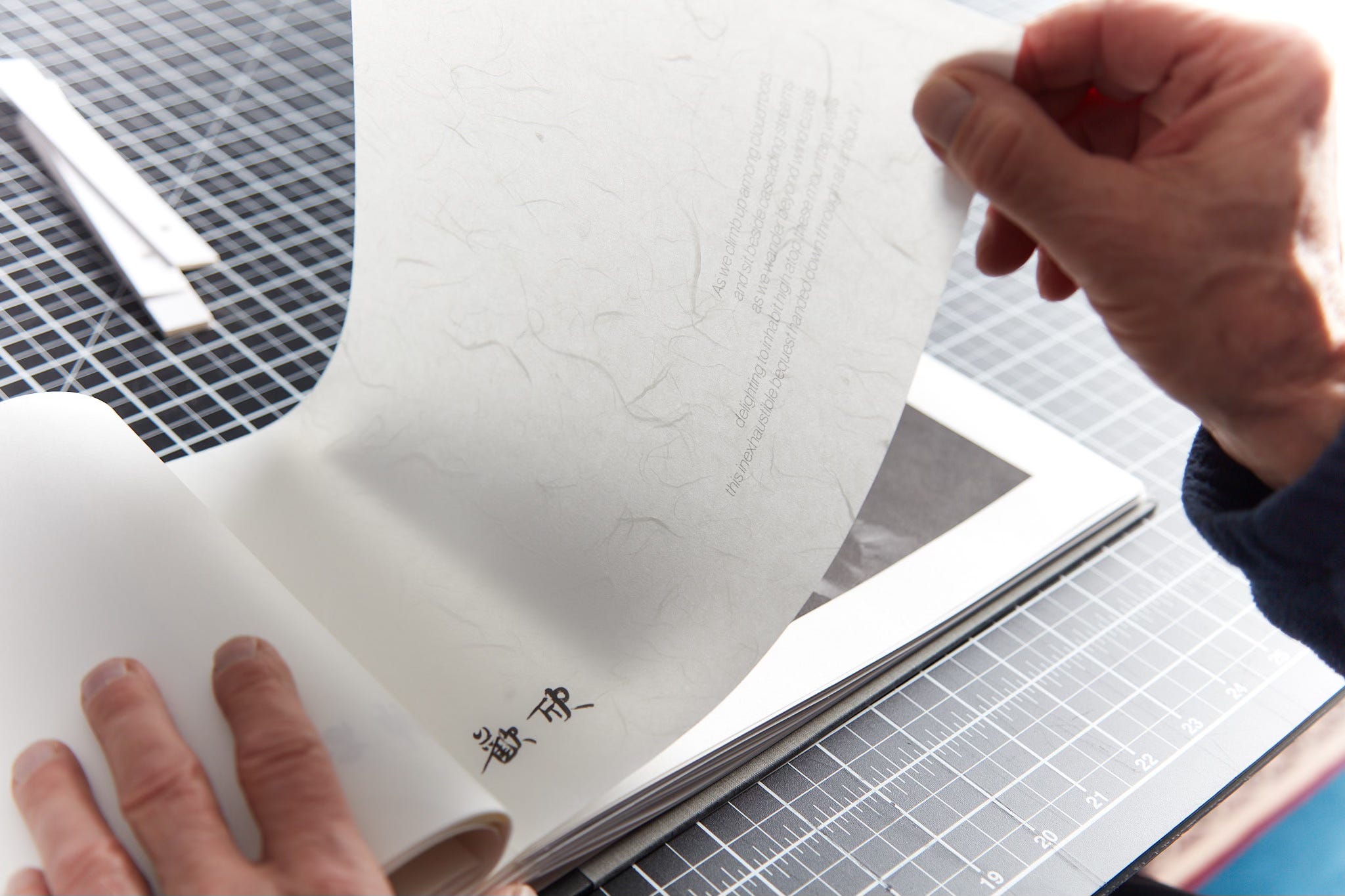
If you’ve never seen a screw post portfolio, they are simply two covers with two or three screw posts that hold the covers together as a book. The length of the screw posts determines the number of pages (in combination with the page thickness). You make your book by assembling pages (pre-made or custom punched), putting them over the open posts, then screwing the back cover onto the posts. This type of portfolio used to be super popular and a must-have for photographers. They’re still extremely useful today. There are endless ways of making pages for these…
Pre-made pages with self-adhesive surfaces and punched holes. Just stick your prints to the page. Old-time photo album style.
Pre-made sleeves that you slide the prints in.
pre-made scrap book pages that you can glue or even use photo corners to attach your photos, these books are all over Amazon for cheap. It’s really not a bad option and depending on your work can add a bit of home made quaintness, especially if your handwriting is decent and you annotate the pages yourself. Probably a bit more special for family or friends personalized gifts…
Plastic pre-punched strips that have an adhesive edge you press on to any paper you’d like. This option is the best so far as you can make fine art quality prints and use these pre-manufactured strips to put them into a book with very little handiness required, just get them on strait.
Home made linen strips glued to your print edge. This is by far the most elegant page hinge and personally I find them easier to deal with than the pre-made plastic hinges above, less expensive to boot!


All of the above assume that you are using heavy paper that won’t bend easily if you directly punch holes in them yourself and assemble them without hinges. If your paper is thick enough you may want to consider scoring the paper as a way of allowing them to bend. Personally I’d go with the linen hinge.
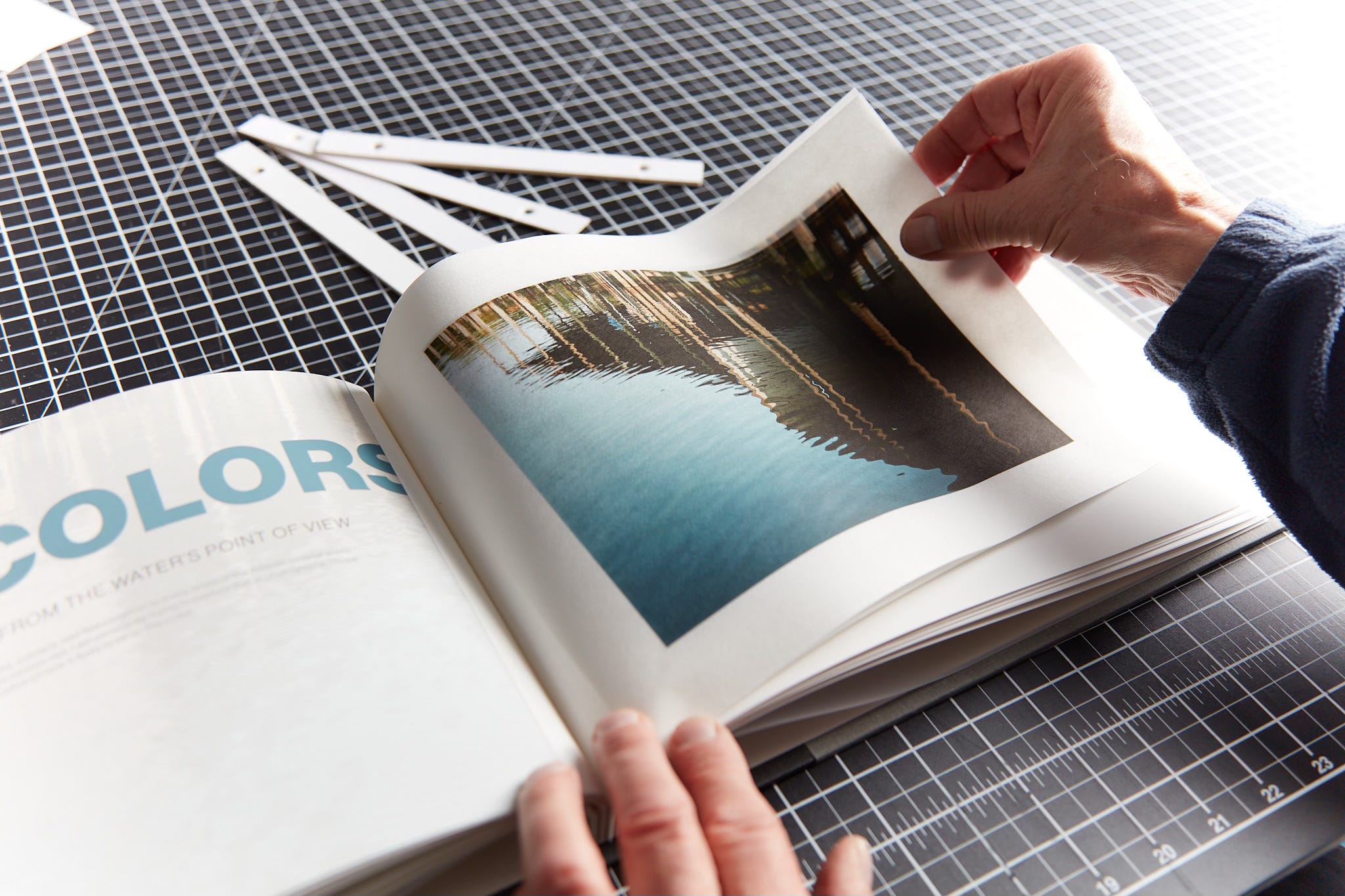
There is a slight problem if you want to use extremely lightweight paper, the hinge can be stiffer than the paper which gives somewhat of an odd feeling when turning the pages. In this case you may want to consider punching the holes yourself. Obviously take this into account when laying out the images on the page. If you do opt for one of those more expensive custom made screw post books with custom cover materials you can use them over and over again with lots of different pages. You can even change the page capacity by changing out the screw posts for shorter or longer posts. Maybe not as expensive and option as you thought depending on your needs.
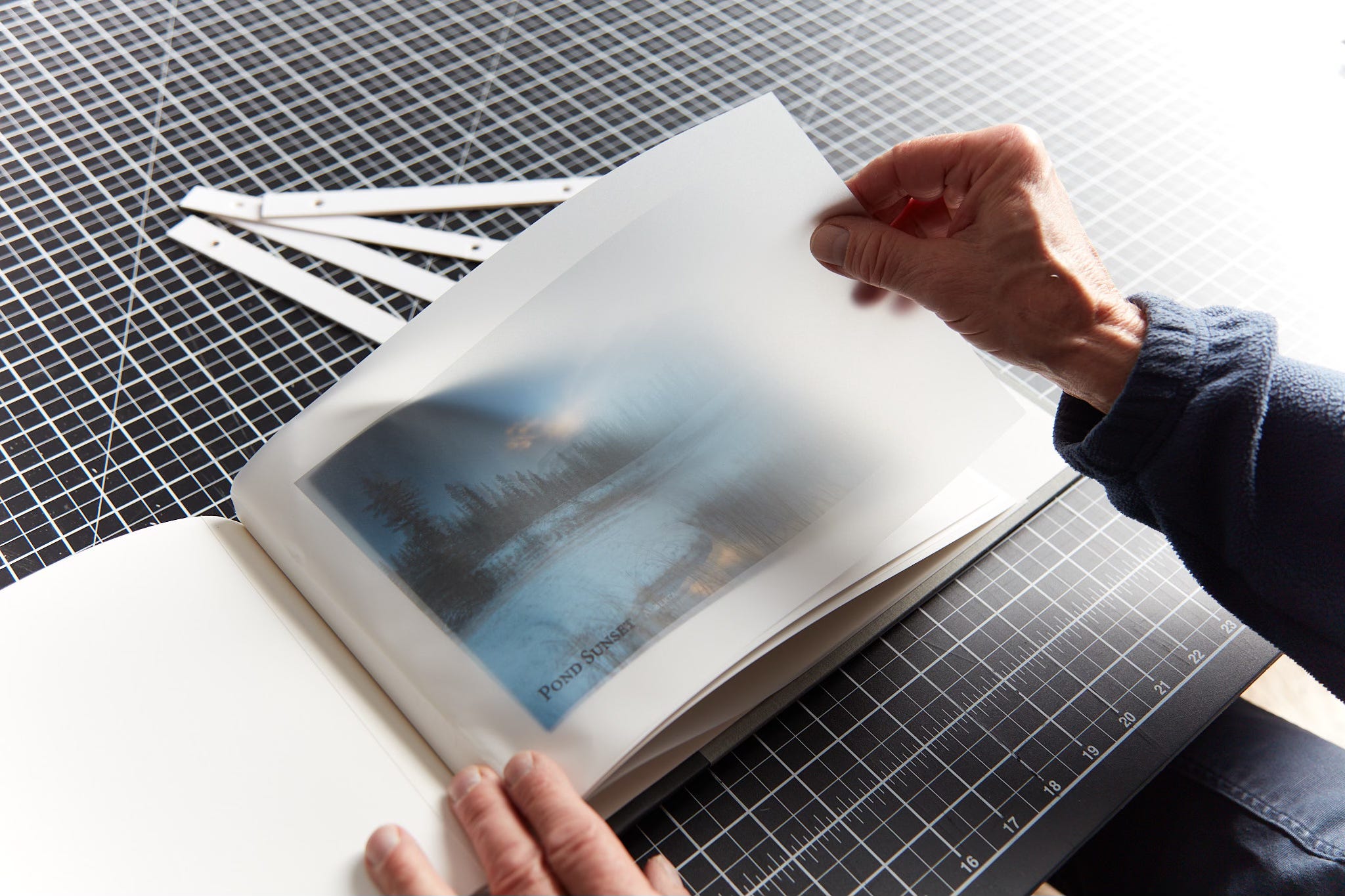
I’ve only covered a few options and ideas for these types of screw post albums, they’ve been around for a long time and certainly have their uses. We’ll be doing a lot more on books going forward. I thought it was time and this is one of the most basic books that can be made that’s easy to customize page count, materials, etc. Feel free to ask any questions. I’m sure that between Les and me we can probably answer any specifics you might have.
Similarly, I would also be interested in screw-post book recommendations. I would also be interested to learn more about your homemade linen hinges. What is your linen source material (painter’s canvas?), what do you use to affix the photo pages, and any methods from lessons-learned working with linen hinges you can share?
One thing I really miss are the Dane Creek Folio Covers that were made by a Washington State photographer, Neil Enns. They were high grade medium weight manilla covers that were scored for easy folding and had a cut out for a cut image to show through. They would easily hold ten letter size prints and were perfect for small portfolios that could either be sold or gifted. Alas, he stopped producing these five or so years ago and there is nothing to be found that replaces it.