


Holding your camera
I hope the new year is treating all of you well so far. I wanted to share a few practical things I’ve learned along the way regarding making still-life photographs. What follows is a mix of those practical things mixed in with a few philosophical things that applies to all of us, a mixture of virtue and vice when it comes to practicing our art. I promise there’s something for everyone, even if you don’t take my advice of using some of the winter weather to venture into still-life photography in any serious way.
I’ll kick this off with two very related pieces of advice. The first is to use your tripod. I may have mentioned I hate tripods. All of them seem to be a giant pain. I don’t like to adjust them, I don’t like attaching cameras to them, I don’t like fiddling with detaching them. I don’t like crap attached to my cameras when using them hand-held. I especially don’t like destroying the ergonomics of cameras I like to hold with those ridiculous, cumbersome, expensive, L-brackets. I hate tripods more than my iPad. This being the case, using a tripod is essential for still-life photography. It is far easier and more efficient moving your subjects and arranging your compositions for the typical still-life scene than it is moving your camera. Find your general point of view, put your camera on your tripod, lock it down, then move your subject, adjust the arrangement, and add or subtract from your composition.
Most of you have a tripod, even a crappy one. Use it, you’ll thank me. What most of you may not have is a way to mount your camera to look straight down at a subject and relatively high up. You’re going to need a way to do that in order to make anything like a flat-lay. There are a lot of ways to do that and a lot of things you can buy, google it. The tripod you have is probably not tall enough. What do I use? Something that is completely insufficient as a “tripod” but is convenient and cheap (because I already had the most expensive component) — I use a C-stand with the typical arm that comes with most of them. I merely added a cheap ball-head and used one of a dozen ways to attach it to that arm. Yes, it’s shaky and bounces around because the arm is made of steel. Doesn’t matter as it settles down in a few seconds and I never touch the camera again. I use Matthews C-stands only because I bought them 20 years ago when they were cheap. You can find a substitute that’s just fine, shipped for free for a hundred bucks or under…
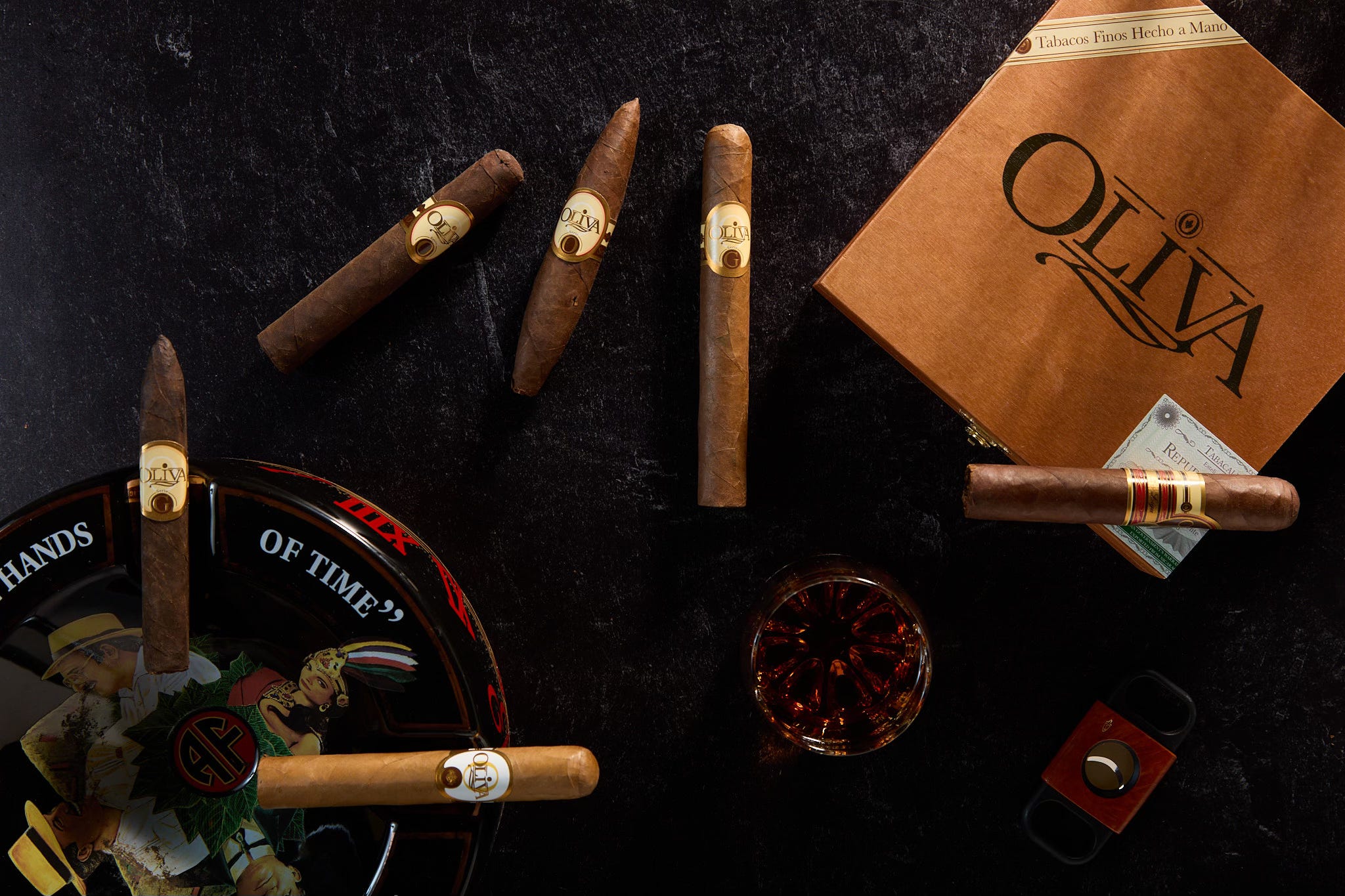
Most of the “still-life” photographs you see in this news letter are made hand-held. That’s contrary to everything I just said… well, most of them are done to save time and have a criteria of not looking awful. Yes I even do some of the overheads hand-held on my tippy toes while guessing to my framing and no adjustments to the contents or composition of the shot… that’s the real world but I wouldn’t consider them good. Trust me if you are trying to add and subtract items or fine tune their arrangement with anything but flat lighting you’ll waste way more time doing it hand-held on your tippy toes shooting way too wide and way too close.
As I’ve explained, I hate tripods… I have no obsession with or G.A.S. when it comes to buying stuff that is related to tripods or holding my camera securely. I am immune to the tripod-head-mounting-bracket siren call rabbit hole one can go down acquiring all the insane, expensive, gear that is associated with all camera things. For those of you who are prone to researching, buying, trying, and wasting time and money on this just stop. Make pictures instead, do what you can with what you have and buy only what is absolutely required. Makeshift solutions are okay until you have a real need and for heaven’s sake stay away from the really-right-stuff website…
Lighting your subject
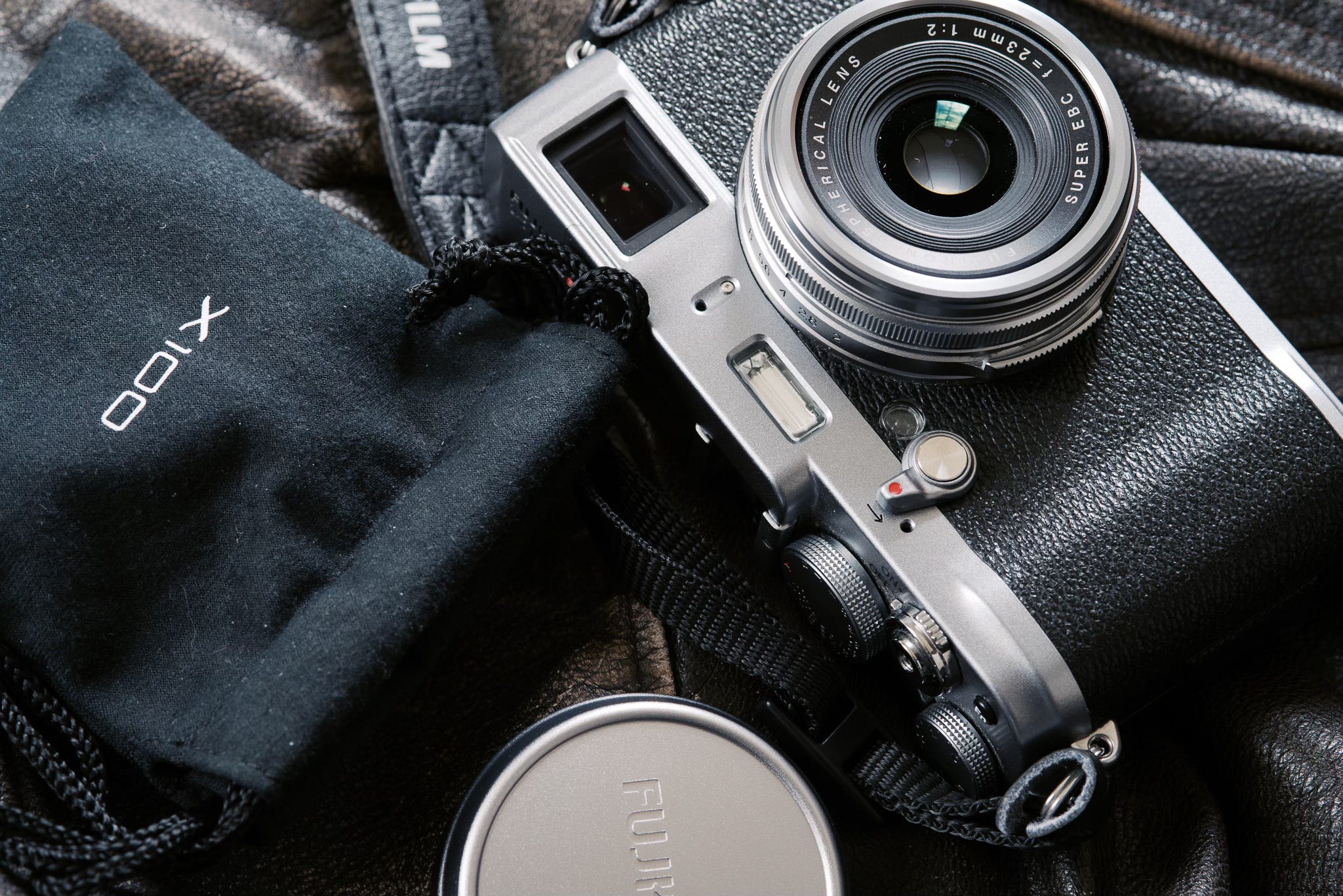
I’ve mentioned that all you need is a window when exploring still-life photography. I use windows all the time along with whatever happens to be lying around as a backdrop and one or two makeshift white surfaced reflectors. Do that instead of making excuses. Sun coming through the window? Use it, hard light is okay. Didn’t want hard light? Use a pillow case or any white fabric as a diffuser, seriously, manipulating window light in all of its variations will teach you a lot about using lighting gear.
You’ll probably want to move on someday so that you can reproduce whatever you want/need no matter the weather or time of day. For that you’ll need a light (or lights), I suggest strobe (flash). Don’t be scared, it’s easy now with instant review. Start with what you have and go from there. A speedlight will do just fine as long as you have a way altering its quality. This is crazy simple, again any white surface will allow you to get a light as hard or soft as you want with a little fiddling. Any sort of white diffuser will do the same with more control. Play with what you have and be creative. Eventually you’ll want more power, more control, and more shots than puny batteries will provide. My recommendation is get one powerful but simple hard light and a big diffusion panel (you could make one but giant folding models are dirt cheap in the form of all those 5-in-one variations you can buy on Amazon), maybe some big white reflectors as well (I like V-flats and 4’ x 8’ foam board).
You’ll be amazed at how much you can do with one strobe, a diffusion panel, and a reflector. It might be all you need for the rest of your still-life (and portrait) career. Of course like your camera, you’ll need a way of holding them. You can use a fried or two to hold them. You don’t need specialized lighting grip for everything, I’ve improvised with a few boxes to old my large diffusers overhead of still-life arrangements more than I’d like to admit. I shot a whole workshop and many other things doing just that as evidenced by the shots at the top… Boxes on a table holding up a 60in diffusion panel over the setup, lit with a single speed light for the entire workshop with almost infinite effects. You definitely will want a light stand sooner or later but a clamp will do with any vertical mounting method for now.
This is where my vices come it. I will use just about any excuse to buy more lighting grip, lights, light modifiers, remote controls, booms, arms, back-drops, you name it. I have about 5 times more lighting gear than anyone ever would need given I shoot simple still-life and portraits. You know who might need a ton of lighting gear? Hollywood and anything like lighting a big set to look “natural” no matter the ambient conditions. I often will use the lighting related gear as an excuse to not do work. I am sure many of you do the same thing with cameras, lenses, tripods, and other things.
Inspiration and other psychological obstacles
It’s hard to get me out of bed, let along excited about much in the winter season. Inspired? Ha, I loose most of whatever the word might mean the moment the last leaf falls to the ground and it doesn’t come back until I start to see the leaves explode at some point in April.
The solution is to do practical things, to do things that challenge you, and best of all doing things for other people. Selling something on eBay? Make the best picture you can of the thing. I am dead serious make the mundane beautiful, don’t just phone it in. Do what all the “influencers” do make your lunch look amazing, at least make an ingredient or two look enviously great. I am sure you have friends, family, or institutions that have something they need photographed to sell on eBay/Etsy, to promote an event, to catalog. I will bet you most of these things are still-life projects or could be. Need to promote a book club meeting? Make a still life. How about a birthday party or any other get-together for anyone or any purpose, there is a still-life opportunity there. Step-up and do it, do the best you can. You will learn a lot but more importantly you’ll find something to “inspire” you along the way, you’ll form ideas for things you want to make you would never have thought of without doing the work.
And for those that need it… it’s okay, go ahead, buy that one piece of gear you absolutely “need” to do whatever the job is. Just don’t use gear as an excuse again, at least not this year.
Happy New Year and thank you for your support.
MAKE YOUR V- FLAT from this item
R- 3.9 , 1-in x 4-ft x 8-ft Faced Polystyrene Board Insulation
Item #15358 | Model #78910 COST 16.00
Paper Arts is a wonderfully written and thoroughly trustworthy source of information and ideas in the realm of digital construction and reproduction usung different processes. I am not happy with the idea that Substack refuses to cancel my monthly fee. There is no simple mechanism to do that so I've taken to this mechanism to make my feelings known. Again, nothing to do with Paper Arts, they are wonderful.