

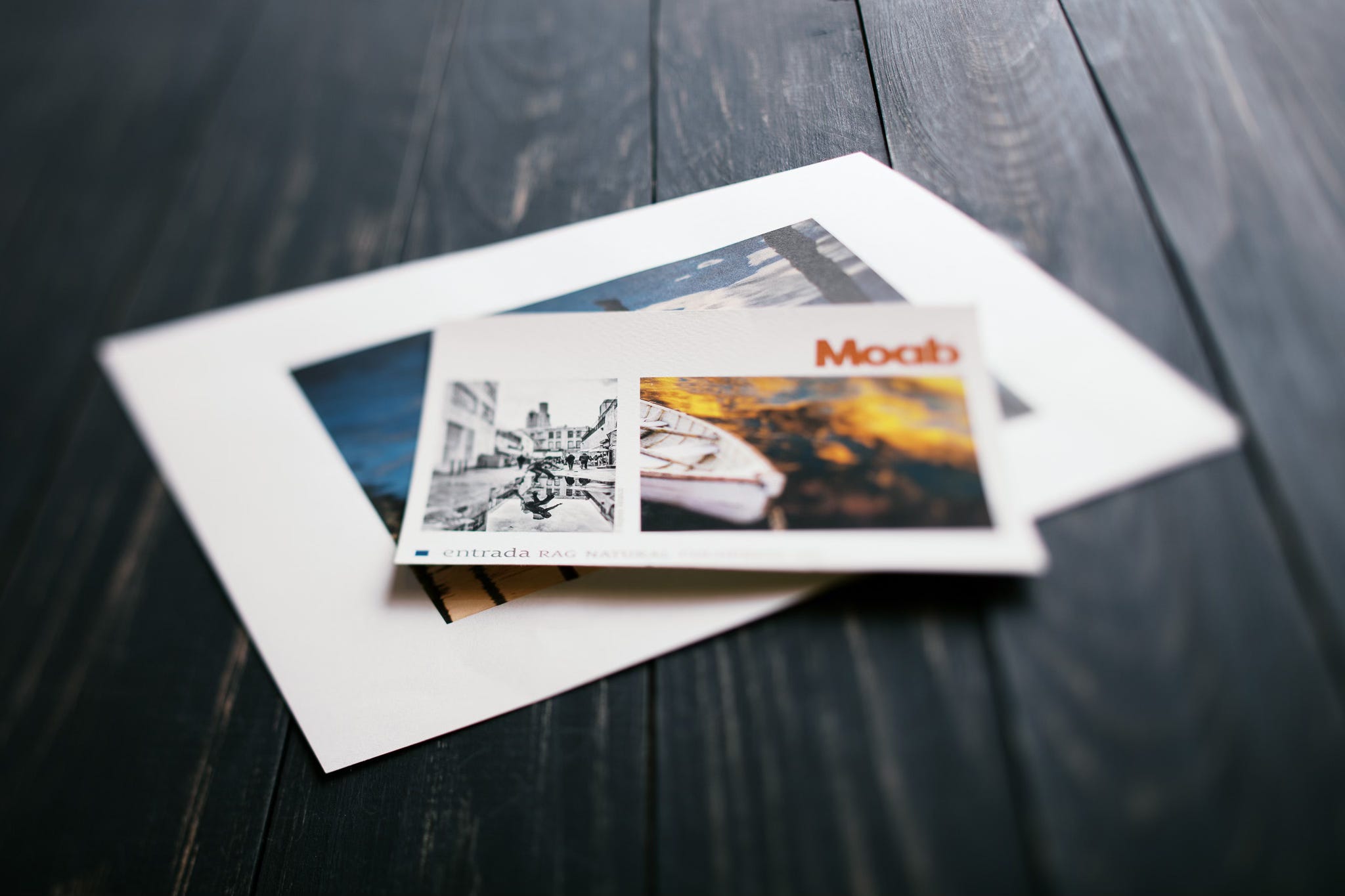
I’ve probably said something like; “There’s no such thing as depth of field” many times without explaining what I meant. Go read all about that term and circles of confusion etc if you bored. Here’s what I mean. With enough magnification you’ll see that there’s really only one point with perfect focus. Of course in many situations there won’t be enough magnification to see that. When film was king there were certainly practical limitations to seeing that perfect point of focus clearly compared to slightly out of focus areas right next to it. Using 8x magnification wouldn’t show anything detectable at small apertures with wide lenses on 35mm film. Enlarging my own prints and using a grain magnifier showed me something very different.
Today we can and do a lot of pixel-peeping with an immense amount of pixels. We see gigantic amounts of magnification on our screens that show depth-of-field isn’t sufficient to render perfectly sharp images at any arbitrary magnification. That’s why the photography world is obsessed with giant “better” lenses and autofocusing systems that can “nail focus” on any arbitrary tiny point. In practice this obsession doesn’t matter that much but plane of focus matters much more when it comes to the perception and intent of a photograph, especially when printed.
I had the curse blessing of using large format sheet film and a view camera fairly early on in my own photographic journey. When a 150mm or 300mm lens is your normal lens it takes about 30 seconds to understand how much plane of focus trumps depth-of-focus in terms of the perception of the photograph. The closer you are to a subject the more and more this is true. You already know this too even if you’ve not worked out what that means or what to do about it.
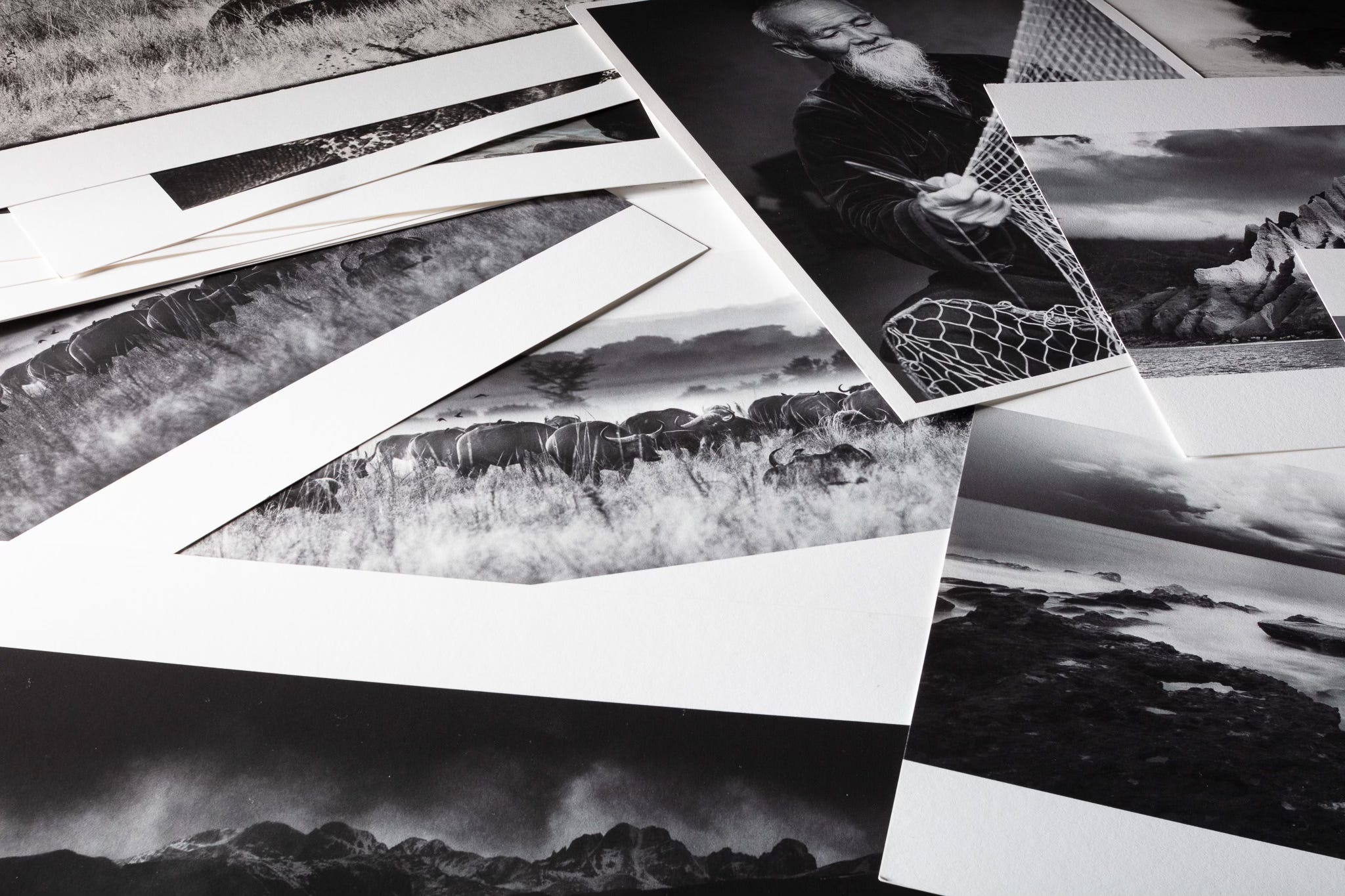
Most of us use cameras and lenses where the plane of focus is locked to be parallel to the film/sensor now. That tends to blunt our sense of plane of focus, especially if one has never used a view camera or any sort of tilt-shift lens. That very important plane of focus thought is buried way in the back of your mind instead of front and center. Plane of focus matters a lot, even when you cannot manipulate it independently from the orientation of your camera. Being keenly aware of the plane of focus is something that should be another consideration in your composition. In a lot of cases it’s more important than depth of focus and is very related to perspective and point of view choices.
The closer you are to any given subject no matter what angle of view your lens is the more plane of focus matters in terms of composition. This is ingrained in my own photography no matter if I am making still-life pictures or portraits. As my depth of focus gets shallower that plane of focus becomes more compositionally critical to me. I make 99% of the still-life pictures for this newsletter at f/4, close up. There’s almost no depth of focus. Juggling point of view, perspective, and depth of field are all super important in my compositions. Yes, I do them quickly, hand-held and they’re not works of art but I do want them to convey meaning and remotely attractive so I try to pay attention to that.
Let’s take another case, something that might not cross your mind when discussing plane of focus, portraits. Depth of focus is discussed a lot in the context of making portraits, specifically the use of “portrait lenses”, typically short telephoto lenses with large apertures and shallow depth of focus. Even at moderate distances of 4 or 5ft developing a sense of plane of focus and relating that to compositional choices is just as important at that depth of focus (or lack thereof). Altering your point of view and tilting the camera even slightly has a huge effect on what is and what is not in focus in portraits. The same is true for still-life photography and everything else, the less depth of focus you have the more plane of focus becomes a tool in your compositional kit.
So, what do you do about this? That’s easy, practice, practice a lot to get that sense of plane of focus as something that’s just as important as framing, perspective, and point of view when composing photographs. Practice with large-ish apertures where you can see it clearly as you change your point of view and tilt of the camera with a static subject. That feed back and paying attention will give you more and more an automatic sense of that critical dimension of photographic composition.
You can go read all of the math on how this works but the sensory experience will take you much farther, faster. Without absorbing, contemplating, understanding, and calculation all of the math behind this the giant thing to understand and be aware of is that combining whatever depth of focus you have with plane of focus is always, always wedge-shaped. things closer to you will have less depth of focus and things farther away will have more relatively speaking. Even if you have the patience for focus stacking, you’ll thank me for this insight. Maybe stacking 3000 images trying to get the important parts of your subject “in focus” is not the best idea or the best picture… maybe adjusting your camera angle and stacking 3 images is a better photograph in every way let alone it being a huge time saver.
It’s winter time, it’s horrible outside (especially in the North East USA) grab a cheap tilt/shift lens and go to town, there are a ton of options on the cheap now. You don’t need a $2K or $3K lens to work with. You don’t need anything you don’t have, go-ahead and experiment with your large aperture lenses and make something cool.
Workshop updates
The Portfolio Workshop
I’ll give you the bad news first. We scheduled two in 2026, they immediately filled up, yes both of them with people that asked to be on a waiting list when I posted those availabilities. So, if you are interested we’ve opened up a date for 2027. Registration is available over on Les’ site.
If the date does not work for you we also decided to offer the same experience for those that want a more customized experience and cannot travel to us. We’ll be taking a very limited number of people for this custom, remote version of the workshop. You can sign-up at Les’s website but feel free to email us at portfolio@paperartscollective.com with any questions.
Intro To Fine Art Printing
We’ve opened a new date (May 2, 2026) for our most popular workshop — Intro To Fine Art Printing. This one-day workshop fills up quick as we strictly limit attendance to four participants. You can find more information and sign-up over at Les’ website.
Matting & Framing Workshop
This workshop is not about printing, instead it’s a hands-on workshop that shows you how to mat and frame your work. Due to the hands-on nature of this workshop it’s limited to three participants and is offered once/year. Get more info and register on Les’ site.
That’s it for now but we have some other workshop topics in the works for 2026 but we’ve had a hard time keeping up with our most popular workshops. If the dates currently available fill up please do not hesitate to ask us to be on a waiting list. We’ll do our best to make sure you get the first opportunity for newly scheduled dates.
Thank you to all of our subscribers, and especially those that help fund this newsletter.
Really solid breakdown on the wedge-shaped relationship between depth and plane of focus. I'd been intuitively using this in macro work without naming it properly. The point about large format making this immediately obvious is spot on, though it took me way too long to realize the same priciples carry over even with locked planes on modern cameras.
Have played with this delightful phenomenon forever .. shootin ‘the printed page, monuments & inscriptions, LCD Screens, & even motion picture scenarios, product work .. why not show it pushed to the max - as fundamental Documentary solution ?
Full Disclosure - got about 1 or 2 likes via Notes - doing so to illuminate Fins or No Fins when snorkelling endangered reef shallows .. Could do so via Page Layout - but would be far more ‘sterile than ‘dynamic & instinctive ‘docu shooting solutions.. same re excerpts of Literature or reference material .. non ?