

My DIYs over the past two years have always involved physical items, things like coating canvas, building a folding board, how to create a mat for framing, even building the frames themselves.
In this DIY, I’m addressing something mental not physical.
If you’re a subscriber to Paper Arts you know that we love fine art photo papers in general and especially Japanese (washi) papers. If you are new to Paper Arts, welcome, and ready yourself for possible immersion into a very special print experience.
The Essence of Washi
Washi, simply translated, means Japanese (wa) paper (shi). But, it’s so much more than a simple names implies. Washi papers differ substantially from the Western papers that dominate the market.
For one thing, many of these washi papers are hand made, even today, following a 1500-year tradition. Washi papers differ in the manner of the plant fibers used, the texture of the papers, and the incredible thinness of some washi papers, while retaining their structural stability.
Years ago, washi paper manufacturers made the leap to coated inkjet papers as part of their product lines. Awagami, for example (disclosure: I was named their first International Ambassador a few years ago), offers 16 different washi papers that are inkjet compatible. One of those 16, a gloriously textured paper called Bizan, is entirely hand made.
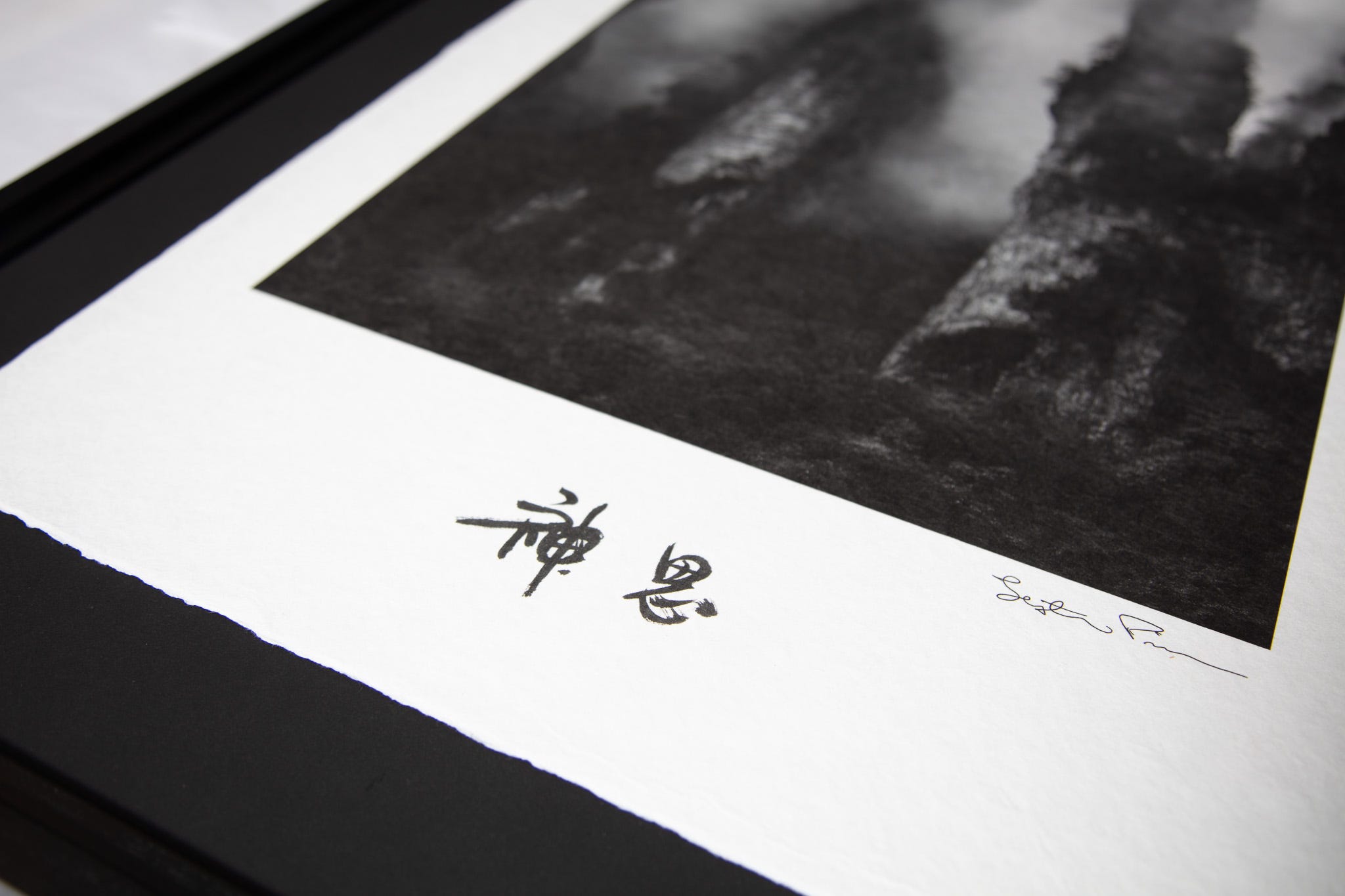
I’m not disparaging Western papers. In our studio I’m guessing that 85% of our printing is done on wonderful Western fine art papers, ranging from smooth to heavily textured (be sure to read Bob’s paper comparisons). But there are characteristics of washi papers that make them instantly identifiable.