

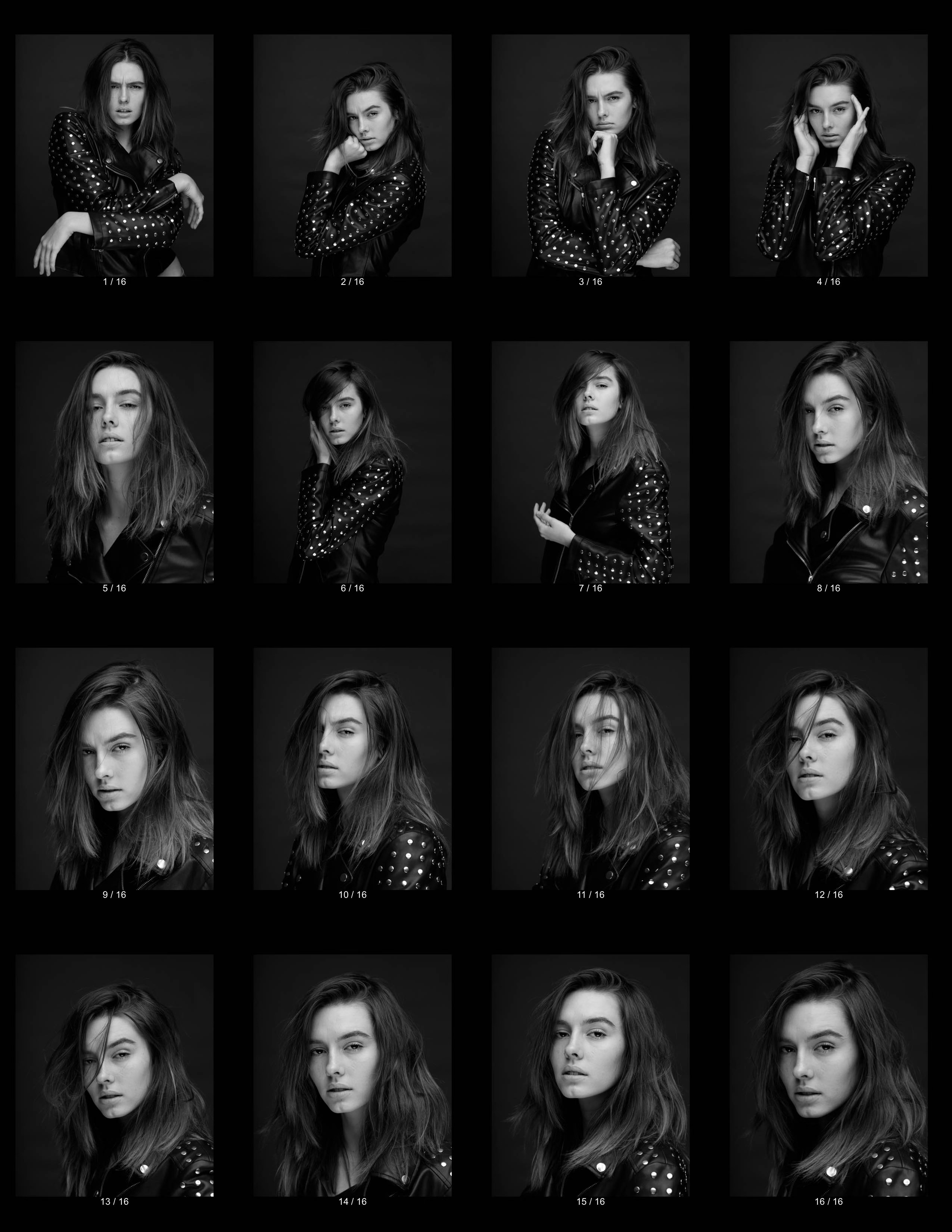
For those of you that have followed along for a while you’ve probably picked up on my love of film, and film cameras. While I could make arguments on some of the virtues of that medium and the devices used to make photographs with film, the core of my love really comes down to the process. Truth be told, I have continued to use film to help my own discipline and process when using digital cameras and output. Here’s a short summary of things I find valuable.
Simplicity - focus, framing, composition, light, and exposure.
Discernment & economy - I don’t overshoot, I don’t waste time and materials on scenes that don’t work, I am more careful in the above point.
Limitations - limitations are good, living within the boundaries set by your film choice keeps me focused, makes me more creative, forces me to visualize how my output will look while making the photograph and eliminates cognitive overload (BW/Color/Contrast of scene/really evaluating light, etc, etc)
Even my most botched roll of film ends with at least one “print” - the contact sheet but usually, even on bad days I’ll end up with a couple proof-prints.
I’ve lamented that film costs (and processing) have become almost unaffordable and certainly has limited my use, I’ve found that my digital process can be just very similar. The secret for me centers on two notions. The first is developing a love for my in-camera JPEG’s. The second is never shooting personal work, not one day, without making at least one print. Sometimes that one print (or prints) are merely digital contact sheets that are not curated (or very close). Knowing, that I’ll be making at least a printed contact sheet or some number of small proof prints strait from the camera provides much of that process discipline we all tend to let slip.
Learning To Love Your JPEGs
As I mentioned in the last newsletter, there’s not a lot of thought put into using in-camera produced JPEG files by “serious” photographers and photography centric resources (the exception being some Fuji users). That’s interesting in a way because a heck of a lot of camera manufacturers have but great care and effort into the way their in-camera look, or looks are. I really like most of my personal cameras’ in-camera JPEG settings, especially if I tweak them just a bit. I like most of the Canon “picture styles”. I like some of the Fuji “film simulations”. I like my Leica out of camera JPEG files the least. The black & white is similar to the Canon default black and white but no color filter and about 2/3rds of a stop underexposed. The default color is not my favorite but it certainly is “a look”.
Spend some serious time and effort experimenting with your camera’s JPEG capabilities just like you would with film. I am dead serious, it’s cheap, fun, and rewarding with instant feedback compared to “learning a film”. Most cameras allow you to reprocess your RAW file with various JPEG settings and tweaks over and over again right from the back of your camera. Play with WB settings and tweaks, play with various minor contrast and density tweaks on various scenes and lighting to see what works for you.
Seriously evaluate light, color, and contrast. Use manual exposure or exposure compensation, use more selective metering, heck use your EVF or back of the camera after the shot and make whatever “look” you’ve selected as good as it can be. If you don’t LOVE what you see make changes to your exposure, white balance, composition until you do. Maybe it’s not a great scene, move on or make it work but don’t overshoot it. When setting out with your camera and some goal/subject in mind make a guess at how many “rolls” you’ll shoot (you pick the film equivalent based on the contact sheets you are committed to making… Am I going to burn 3 rolls of 35mm (3 letter sized contact sheets 36 frames each of tiny pictures) or am I going to burn 10 rolls of 645 medium format (10 letter sized contact sheets 16 frames of bigger pictures). Heck you could commit to 16 sheets of 4x5 (4 letter sized contact sheets of 4 frames).
However you do it commit to making those or some form of small proof prints. I will assure you, this exercise with produce far more “keepers”, cost less than shooting film, and make you far more disciplined and focused. Love your JPEGs, go ahead and shoot RAW+JPEG, that’s what I do but be disciplined. Pick a look and stick with it for whatever “roll” and format you’ll be emulating and don’t just burn frames. You’ll even have far more of a direction in your RAW processing and treatment for final output. You’ll spend less time futzing around with endless effects.
Print As Part Of The Process
No matter how you do it, contact sheet or not. Keeping prints in mind and actually producing them as part of the process will make you a better photographer. Printing small proofs, or those contact sheets with minimal or no changes as part of the process and having them around will inform your final decisions in a big way. Don’t be in such a hurry to “post-process” them, don’t even crop them (more on that later). Live with them in a tangible way for a while right in front of your nose, out in the open where you don’t have to do anything special like opening up Lightroom and finding them… they’ll just be laying there. You’ll make better editorial selections, get new ideas, and make better final output decisions. You may even find your cropping decisions vastly different than the initial reaction.
Print as part of the process as a default rather than an exception will seep back into your field work, your post processing, and your editorial decisions in ways that will surprise you. It certainly surprises me and I like to be surprised.
I love the "short summary". Simplicity is very close to the 5 C's of cinematography, "Filmmakers" using film always considered Discernment and Economy, we had to or fail financially. Limitations...are really good as a part of the self editing process that makes us all better image makers. With 16mm and 35mm there could never be a botched roll, it was just too costly (even 50 years ago). Your short summary is a very good guide for the digital world. With digital we can experiment at a lower cost, but to become really good one must remain disciplined in focus, framing, composition, light and exposure. Shooting a few rolls of film every once and a while is a great way to learn or relearn some visual discipline.
I’ve been taking pictures for most of my 77 years. Not for money, my day job was too stressful. Making a print was part of the film process. Digital has the nasty aspect of always being viewed and shared on a screen.
Over the last 15 years I have been printing more. I refer to it as “Have and Hold”. Relatives get prints with text on the back. Street or bar pictures I return with 5X7s a couple of days later. Most people who work for me get informal portrait at the end of the day.
So I have returned to printing being the end step of taking a picture. To save money they get 4X6, but more often 5X7.
Printing sharpens my attention. Forces me to account. People pay attention to something they can hold in their hands.
An iPhone or iPad or computer does not cut it.