

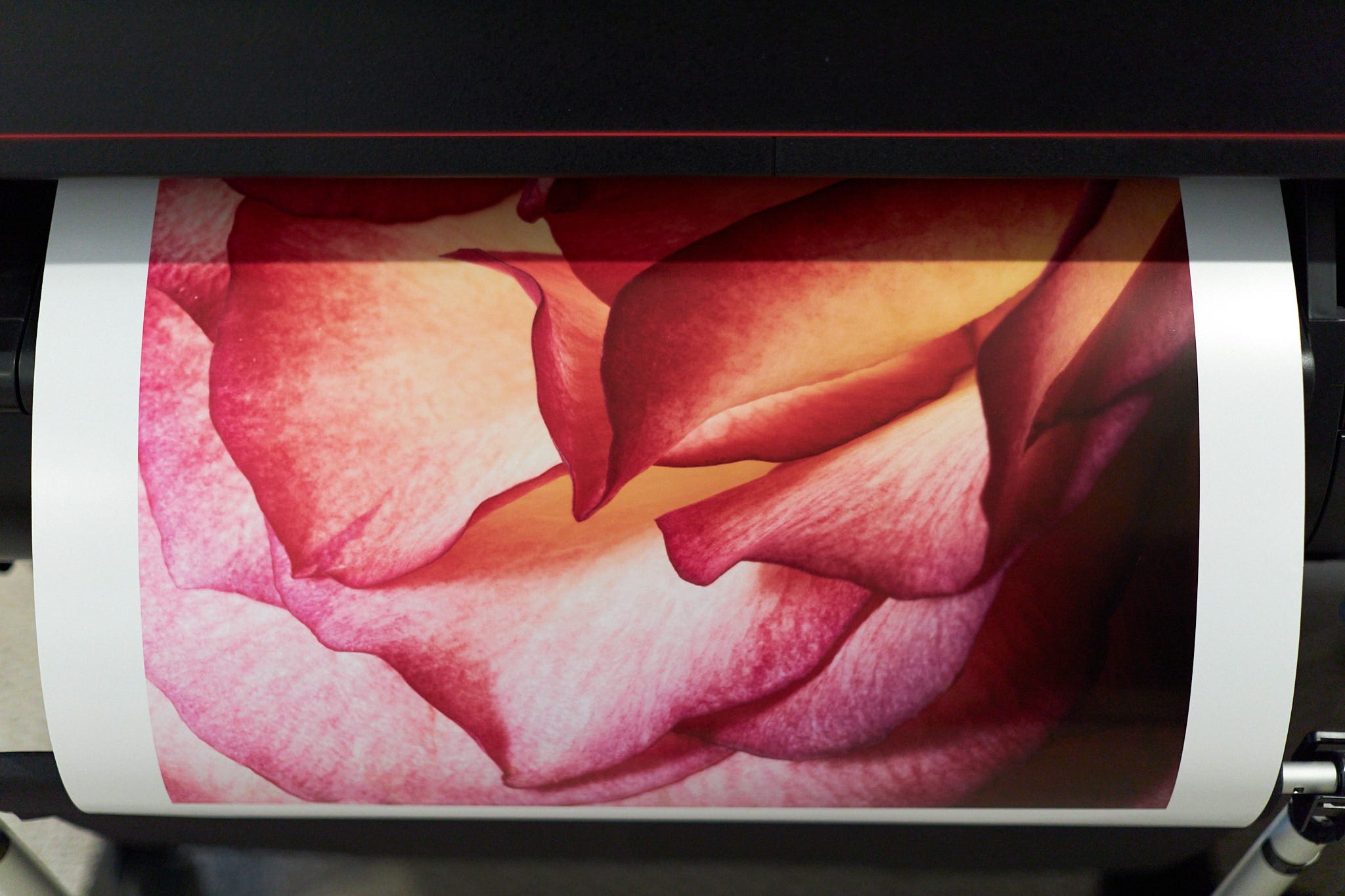
Judging print competitions, which I do regularly, is not what it appears to be. Far from it. It's not a simple matter of looking at a print and quickly deciding whether or not you like it. The best judges I know have decades of experience in the art of photography. They may not be a great photographer, or even a photographer at all! Good judges have studied the past and current masters and understand the value of a photographic print. They comprehend and subscribe to the notion that with judging competitions comes responsibilities. They teach and elevate the art as they serve as judges.
There appears to be a trend where camera club umbrella groups offer training courses for potential competition judges. These men and women end up with a certificate ostensibly qualifying them as judges. In their training they are usually given a rubric of items they should consider when judging an image or print. Trying to codify a set of criteria is good, as far as it goes, but I argue that a checklist does not go far enough.
Is it important that contest judges be competent photographers? There are photographic art historians and curators who competently judge contests and who could care less about photo mechanics. But, in terms of judging a print contest specifically, shouldn't a judge understand the challenges of laying down a beautiful print on a range of fine art papers?
These are probably secondary concerns to the real issue of print contests, namely what's their purpose? Is it about showcasing one's work? Is it a venue for receiving valuable critique? From a judge's perspective, shouldn't it be about elevating photographic art?
A photographer from a wonderful camera club called me a few months ago. He complained about how the judge at a recent competition gave no feedback on his decisions. What is that about? Is any judge so vaulted that s/he doesn't need to explain their decisions in a way that aspiring fine art printmakers might benefit?
I think we need to ask the questions: what makes a good judge and how does a club select one? Just selecting one based on availability is a disservice to aspiring club printmakers. Many judges, myself included, take their service seriously. Entrants are putting their work on the line. They deserve nothing less than thoughtful feedback.
Well, enough of this rant. I'd love to hear from any of you who have had a print judging experience that you'd be willing to share. This includes those who have submitted prints to competitions, as well as those who judge them. In the meantime this week I have to judge a print contest for one of the best camera clubs in my state. Wish me luck!
I've juried art shows-competitions (a number of different visual arts over about 20 years). I know that besides work quality, excellence of communication, and the powerful presence of a really good piece, there are always show limitations of space-size, theme, and cohesiveness, so a show holds together.
I have had to tell people who didn't make the cut that their work was absolutely excellent - but, just did not fit the show as a whole, this time - and to keep working because their work was very good, and next time it could fit a show really well. Being "rejector communicator" is a hard job. I did it because, like all of us, I've had some hard rejections - and some seriously encouraging ones. I wanted to be sure the people I dealt with were encouraged, or at least understood why their work wasn't included. "This competition is set up for artists who do their own printing. Every step is by the artist's hand. Your work is good, but your piece is commercially printed, so it doesn't fit our rules."
Sometimes it's hard to help people understand that there are usually several jurors, each of whom has opinions about how a show should look, that consensus can be hard to achieve, that work has to be compared and contrasted with other pieces, and really difficult choices have to be made.
When I enter a show I don't expect a juror to tell me why my work was accepted or rejected - but it's nice to hear what they thought. I sold my own work in booths for 30 years. It was viewed, liked, or disliked, by thousands of people. That’s boot camp. Over time it sinks in, that 1 juror, like 1 member of the public, has a personal opinion. They have preferences. They have work they respond strongly to, just like you do. There are people who love your work, and people who don't. And that's ok. Being chosen, or not, for a show, is not a reflection on you as a person, as an artist, or on all your work.
I highly recommend being a juror. It teaches you faster than anything else, how to get your work out there, and not to be crushed by a negative response at any one time. It makes you feel both humble in the face of the wonderful work you see, and empowered to do your own work, no matter what.
That said, I wish shows would be specific in what they really mean by photography. It's a total waste of time to be told that it's a "photography" competition, when the organizers really mean: no portraits or groups, only traditional darkroom practices, no animals, no digital work, no composites, no mixed media, or, in reality: We really only want surreal or abstract B/W images that aren't too big. Everything is lumped under "photography" now, so it tells us nothing. Define the show properly and specifically, so people know what you really want.
Interesting topic. I have not contributed a print to my local camera club's print competition in a long time because a. no feedback other than numerical score, and b. if it doesn't have fins, feathers, or feet it doesn't score well. Not my genre if you will.
I think a print competition should not only incorporate the normal attributes of an image, i.e. composition, conveying a message, etc., it should also incorporate the overall quality of the print too. As you know, that takes an entire set of skills beyond capture and editing.
It would be awesome if judges provided a brief summary of their rationale for scoring along with a suggestion for how to improve the outcome.