

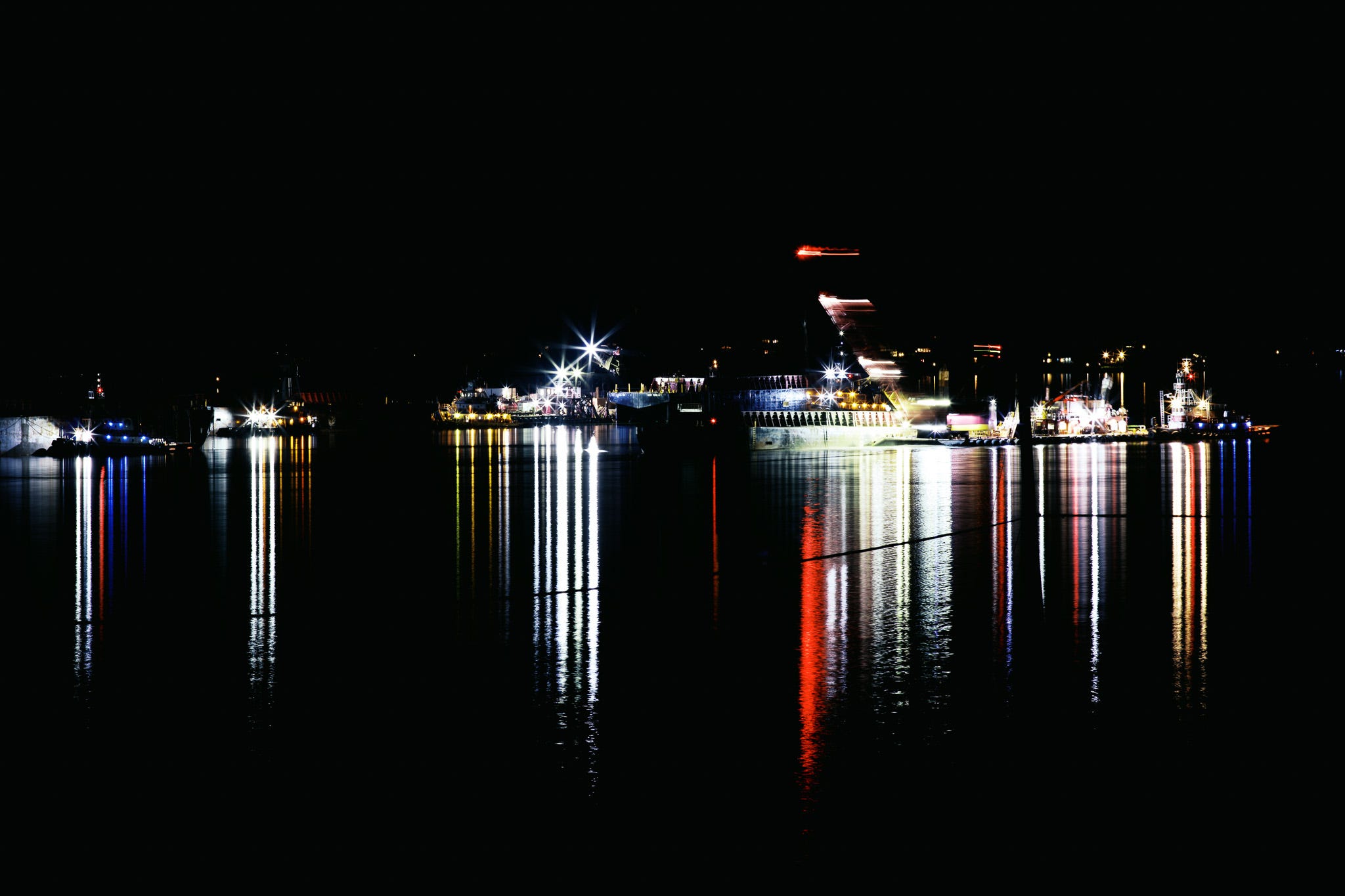
November 25, 2020, that’s the last time I used a lens over 100mm. Doesn’t seem so long ago; the decade number is the same, but that’s almost six years ago. I am sure many of you don’t still use cameras that old. The lens in question I’m discussing happens to be the longest lens I own; that lens is the Canon 200mm f/2.8 L II.
For those that don’t know about this lens, it rightfully takes its place in Canon’s long line of 200mm prime L-series lenses. Like everyone else, Canon has a couple of good 70-200mm 2.8 lenses gaining IS/VR and a few updates along the way. The 200 f/2.8 L II replaced the 1991 original in 1996 and has stayed the same ever since. It’s the poor-man’s version of the grail 200mm f/1.8 and then the 200mm f/2 L lenses. In summary, it’s a fantastically good lens, even better than the 70-200 lenses. The bonus is that it is cheaper (now idiotically cheap), smaller, and lighter than those others I mentioned.
I snagged my copy during the great EF mount gear purge when people were giving their EF mount Canon lens away. It’s still a great value as it works perfectly on my R mount cameras (as does all my EF stuff). I thought $400 for a literally like-new sample was great for the occasions I had to make tight headshots. Yes, I did use it for that purpose a few times prior to the above shot, but I use a closely related lens more for that purpose; my Canon 180 180mm f/3.5L Macro, also a steal. In the above case, I used it entirely out of practical need for the reach and framing of what could loosely be considered a landscape scene.
So what about those new tricks?
I’ve not thought about that night shot in years. I made a few exposures of that scene, picked one, and sent a copy to a few of my neighbors. They loved it. Probably not because it’s a fantastic landscape photo but because on this particular, very still night, they could for a moment see beauty in the horror show plaguing all of us for weeks. They for a moment could see past the clanging, roaring, buzzing, 24-hour to and fro journey to the center of the Earth disturbing our peaceful place on this planet.
What made me think about it now was finishing up my Watercolors:subversion project. Two things crossed my mind. The first thing was a question; Could this be the genesis of that project, the seed of an idea not yet fully formed? Probably - yes. The second thought was a little deeper and all about my own comfort zones.
If you’ve followed the newsletter for a while, you may remember I live in 28mm to 50mm land. Every once in a while, I venture into 18-21mm territory. Less frequently, I may even go wild and use an 85mm or 100mm lens. Beyond that, doesn’t cross my mind except for the above-mentioned headshot or super-close beauty-related detail shot. Neither does landscape photography.
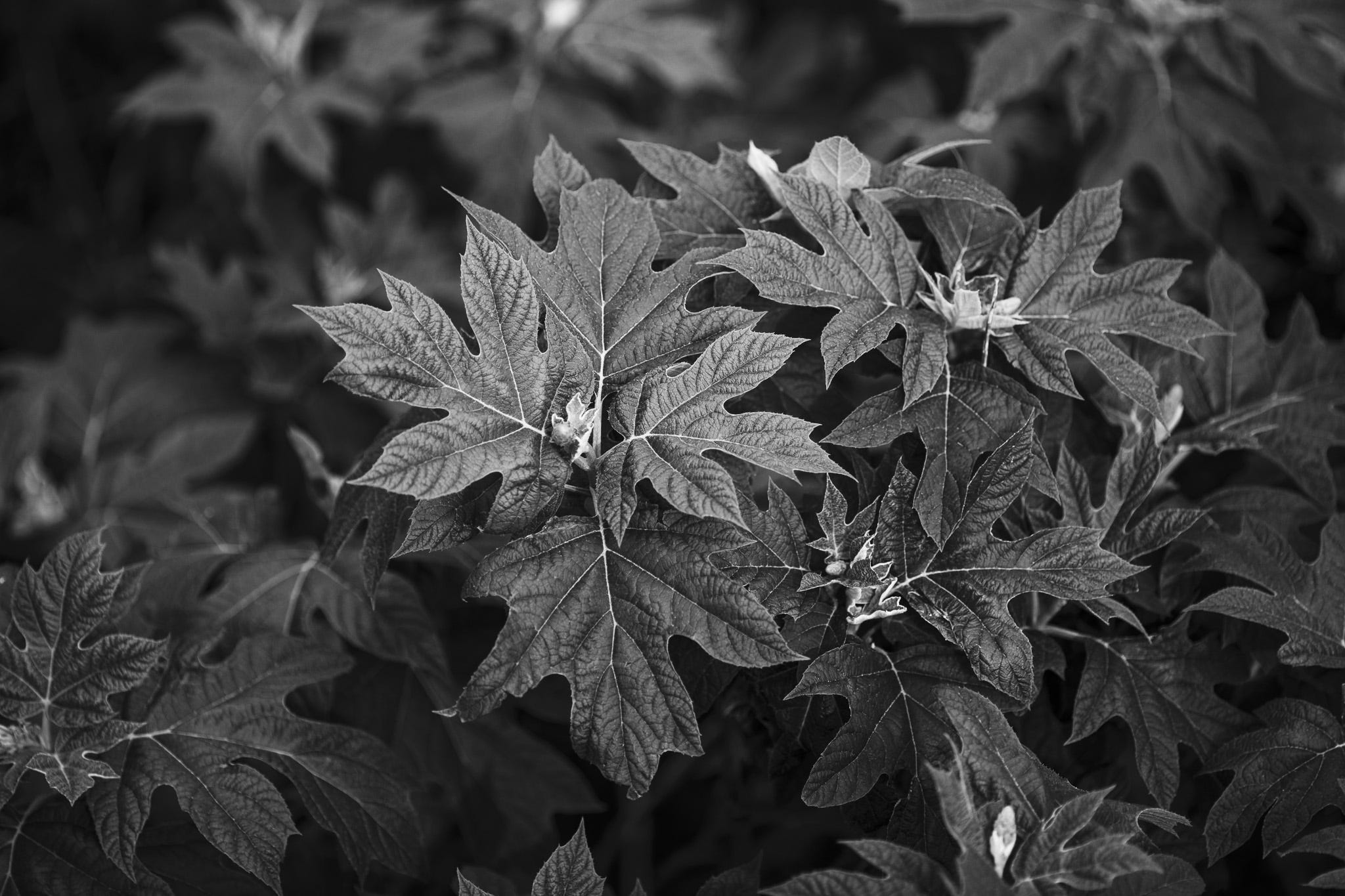
Looking at the Watercolors:subversion project, I noticed that in a way, all of the photographs in the project seemed to compress things together and flatten them out. Hey, telephoto lenses do that, right? So this summer, when I actually like to be outdoors, I’m going to teach myself a new trick. I’m going to use my longest lenses on the landscape around me. I may even grab a 1.4x or 2x teleconverter if I see one at fire-sale prices.
I don’t yet have a working title, but I will soon. I’m betting several will present themselves after my first outing. Now all there is to do is just wait for some great light. I’m hoping my first outing I won’t end up with the working title of Frustrating Folly. We’ll see, but I’ll go out again anyway. Oh, in case you didn’t infer it from context, if you shoot Canon cameras of any variety, grab the 200mm 2.8L II or the 180mm 3.5L Macro, I’d highly recommend either. Ask me why I have both and which one might be right for you if so inclined. I’m an open book.
What will all of you be up to photographically this summer? Or for our friends in the southern hemisphere, this winter?
Advanced Awagami Printing & Display
Awagami inkjet papers are a specialized medium for producing fine art digital prints. The range runs from subtle matte papers to highly textured dramatic papers. The papers also run the gamut from ultra-thin to extremely thick. The key to utilizing these unique and beautiful materials is matching the paper to a photograph and artistic vision that work in harmony.
This day-and-a-half hands-on workshop will result in two completed mounted Awagami fine art prints on two of Awagami’s most distinctive papers that best represent your artistic intention. More importantly, the experience with the selection, discernment, and realization of other participants’ art will be invaluable as you move forward using Awagami materials for future projects. We start preparations for this workshop before you come with a one-on-one review of images you have in mind for final mounted prints.
Details and registration are on the LPFA website. Take a look. If you have questions shoot us an email or leave a comment. You can also take a look at our first Advanced Awagami workshop.
I also love Canon’s wide lenses. I have a few. I’m a street photographer so it makes sense. But Les makes me go on trips and shoot landscapes. I attended a conference that featured a woman landscape photographer from California who shot either very short or very long lenses and her work was beautiful. Remember those swamp landscapes of mine? Almost all were shot with Canon’s R 100-500 f/4.5-f/7.1 L. I wasn’t really trying to learn new tricks, I was just too lazy to change lenses in the middle of a swamp. But I remembered the amazing photographer from California who taught me something. I live at both ends of the focal length spectrum now.
It's a bummer to see EF creeping back up these days. All of the 2000s stuff was out for a steal, if you looked around enough.