

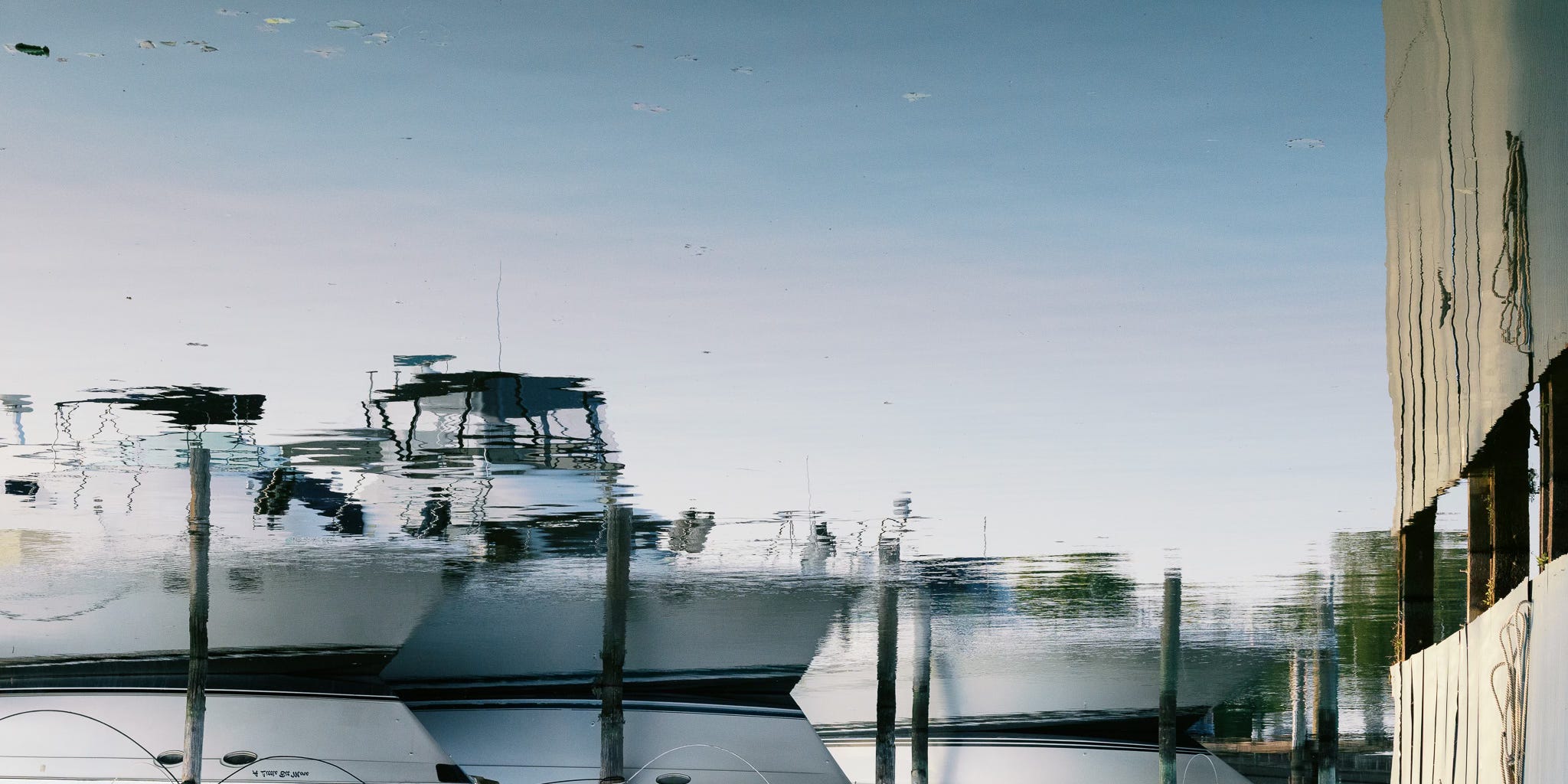
Photographs, movies, sculpture, even the written word is a process of eliminating options, restricting choice, and downright imposing structure. This is a good thing even though without context they might seem negative attributes on their own. Let’s take Instagram. Why is there no “horizontal option”? Why can’t my horizontal photos have the same size impact that a vertical does? Why are vertical videos so popular on phones? The answer is simple, people hold their phones vertically and it’s awkward to turn them horizontally. It’s a design decision that is imposed on the viewing experience for that media by various applications.
Sure, you can take horizontal photos and videos and you can view them at the largest size by rotating your phone when viewing them later in a generalized photo viewing app that doesn’t impose a design structure on you. You can do this on your desktop computer as well. Do you do that? Do you rotate your 32in monitor vertically as you go through pictures in your Lightroom library? Of course not. The same has been true for handheld presentation of related photographs forever.
If you’re going to make a book the first choice is to decide if it’s going to be a horizontal or vertical book, or maybe rarely a square. The second decision is its aspect ratio. All things that follow are going to be driven from there. It’s probably a very bad decision to maximize the page real estate by orienting your photographs so that the reader must flip the book to see them, instead you have to make a choice to show smaller horizontal photographs on a single page in a vertically oriented book. Of course you can spread those across two pages for maximum impact when discussing a vertical book. The same is not true for the reverse situation of a vertical image in a horizontal book.
I propose that you should probably make those same kind of design decisions when producing any group of physical prints intended to be consumed together. Decide what the size and orientation of the images is going to be and then stick to that. Yes, the images that are printed “the wrong way” will not maximize the use of the paper but the overall presentation will be far better and have a very different feel that handing someone a pile of prints they have to randomly flip around to view.
What about putting two or more verticals on that horizontally oriented paper? Sure, go ahead but only and I mean only if they are so related you’d never show one without the other. That can be a brilliant choice if they are related so closely that both are more powerful together rather than doing it because you can. If in doubt go with one.
Visual design of the presentation of your photographs is extremely important and often overlooked. It doesn’t matter if those prints you make are on a wall, in a book, or loose prints in a portfolio. Be intentional and prioritize overall design rather than economy of paper real estate. If particular photographs MUST have size impact relative to other images in a collection you have two choices. Diminish all the other images or don’t show that one image, leave it out.
You might be thinking I’m crazy for suggesting you don’t show that one image at all in a particular context rather than forcing it in. Here’s an obvious example; Let’s say you’ve got a project that consists of nineteen vertical compositions and one, yes one 2:1 horizontal pano. That pano isn’t even an extreme aspect ratio, in fact it is about the minimum to even refer to a photo as a “pano” instead of a mere horizontal. You can imagine how ridiculous it would be to have 13 x 19 vertical images and including one page with a tiny little 2:1 horizontal photo printed on a vertical page? Even if you ignored my advice and printed it the on a horizontal page making the viewer flip it around it would still have less size impact than the vertical images in that context.
That situation completely changes if you are hanging those pictures on a wall where the pano MUST have size impact related to the other 19 prints. That’s easy print the other 19 at say 22 inches tall, 17 inches wide and the pano 22 inches tall and 44 inches wide. If it’s a book that might work as well with a double page spread. The point is don’t compromise the image or the design. It’s better to leave that one image out rather than force it in a display context that compromises either.
The gods of the aspect ratio have it in for photographers, but to not mix them in an exhibit is great advice. I’ve started noticing, since you mentioned it, how distracting it can be when I go to exhibits or open a photography book. And I’ve recently noticed that when museums put on photography exhibits, they often keep the portrait and the landscape prints segregated, because the curators understand this.
I follow most of this. iPhone is vertical and a 4x5 ratio. In one of my series with a vertical and others horizontal I used Lightroom to create the horizontal and in fact became a better image. Surprisingly.
But to take 22x17 size for most photos (.77). and then for the pan to be 44x22 is a .5 or square. I think I don’t get it.
Actually the ratio becomes an issue if a series is taken with a Canon (2:3) and also some with Fuji (4/5) so including these is also a problem if one uses a matte board. So I’d love to understand better how to approach multiples when hanging.
Hope this makes sense.