

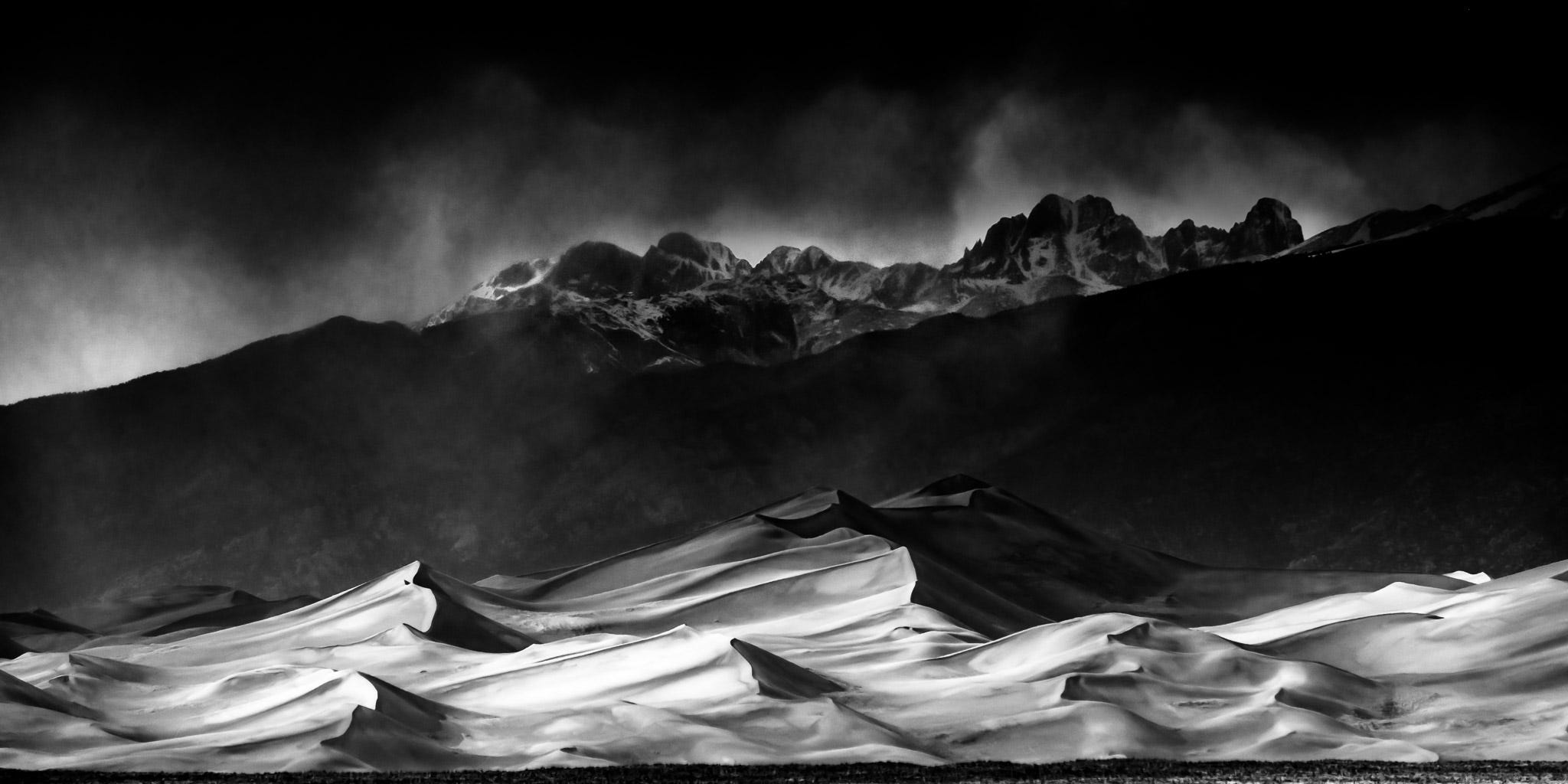
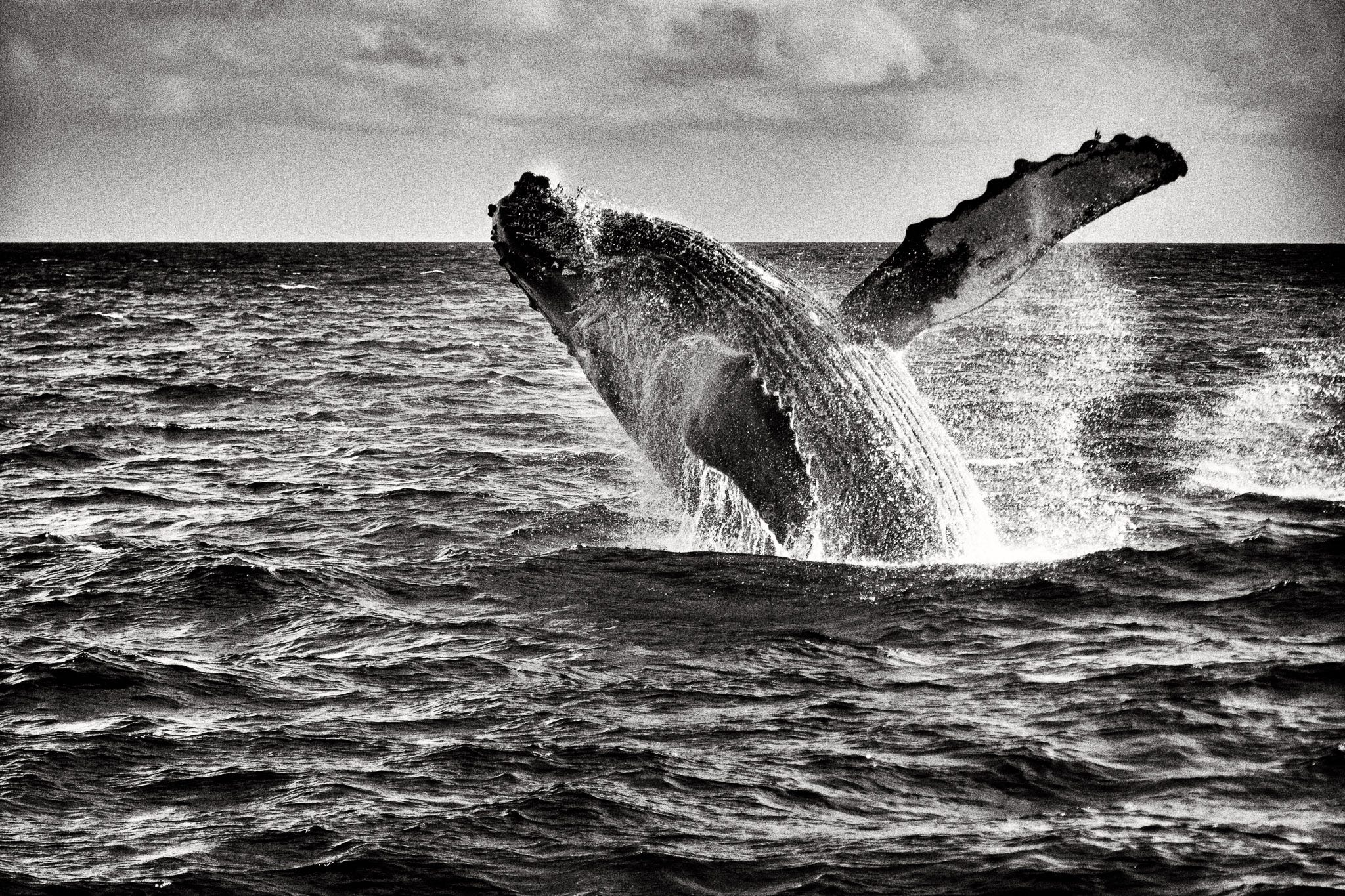
If still photography can be defined by just one parameter, it’s about capturing the moment. That’s given me grist for thought ever since I heard it. That magic moment might be 1/4000th of a second to capture an awesome breach by a humpback whale or a seconds to show the anger of an approaching storm.
When you think about that truism, still photography is an awesome responsibility. We capture reality for a split second or so. Or that’s what some of us think, anyway. Nothing could be further from the truth.
The Myth
What we capture in those fleeting moments is just a miniscule slice of reality. I recently watched a BBC nature special narrated by the inimitable Richard Attenboroug. I was totally absorbed by its videographic beauty, deep explanation of what we were seeing, and the sounds encircling that moment. Let’s face it, those video segments are ceryainly a “truer” representation of reality.
While you’re reading this I’m in the Serengeti, an astounding place of primal beauty, leading a photo tour of The Great Migration. Nothing in my career comes close to the feelings of inadequacy I experience amidst the deep joy of this mind-blowing spectacle, no matter how many times I’ve experienced it. As I lift my camera I think of what a fraud I am in those moments. How can I relay the frenetic immediacy of those millions of nature’s creatures struggling to survive? Or the sound of the wildebeests grunting, their babies crying out, the stampeding hooves, the cacophany of sound encasing us? How can I capture the earthy smells of the wildebeests, the zebras, the giraffes, the hippos and more?
When you face those moments ask yourself, as I remind myself on every photo shoot: “What is the story I want to tell? What is the essence I’m trying to convey to the viewer? What is it of this very moment I want to preserve for myself“? And, how can I reasonably do that within the confines of still photography?”
We can’t equate videography with photography. Yes, they are both artistic media, but they have different challenges. There are times I wish I could tell a fuller story, one more reflective of the reality I’m immersed in at that moment. But, I can’t. And that brings me to a final realization... for me, anyway.
When I’m in that moment, fine art printing rescues me. I understand my photographic limitations. But I also know what might make a good print; maybe even a great one. I know what not to bother shooting. I don’t want shots of biology textbook 101 of an elephant standing on the vast plains of The Serengeti. I don’t want to take the same images that I’ve seen a thousand times. I want to capture something that tells the story of their behavior, their sentience.
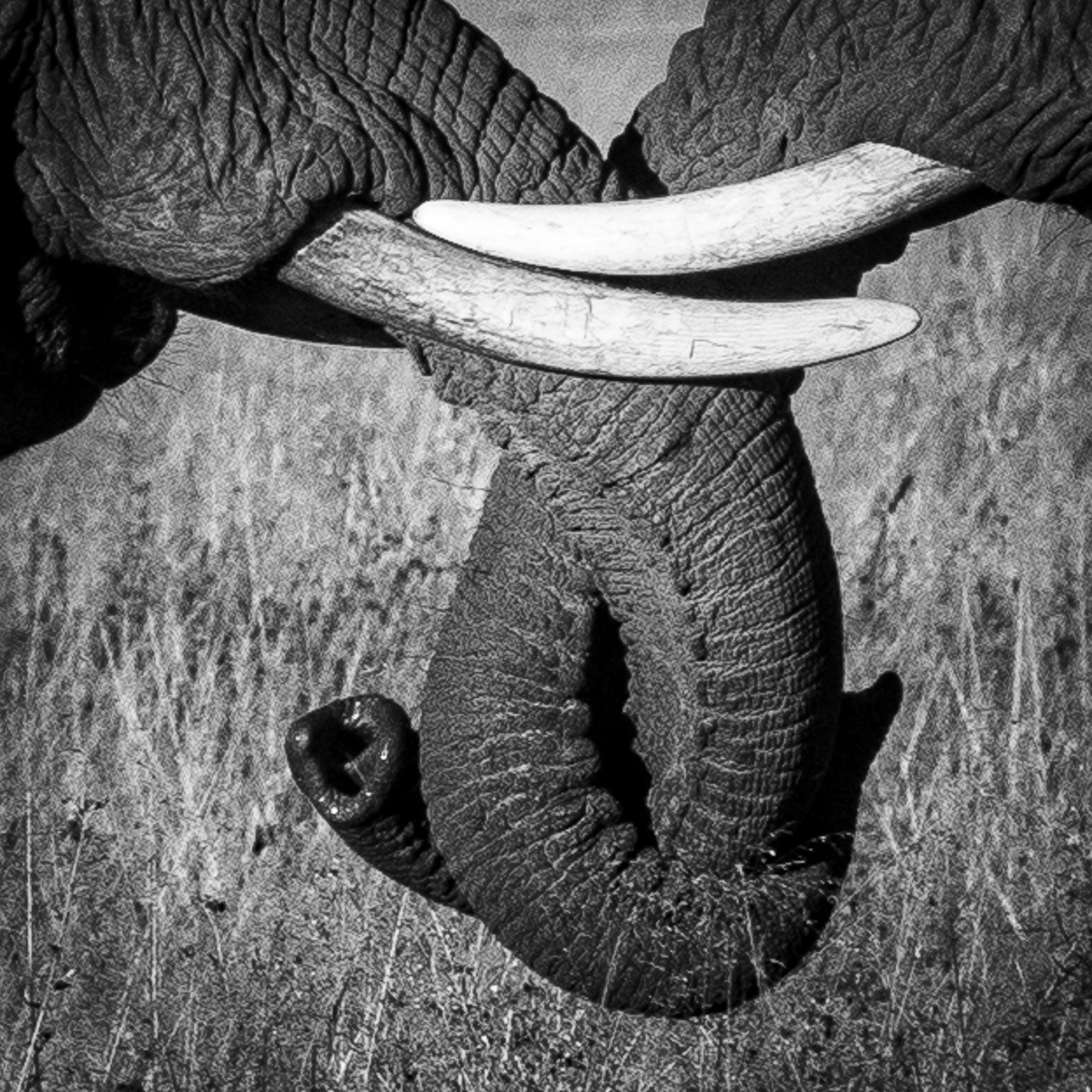
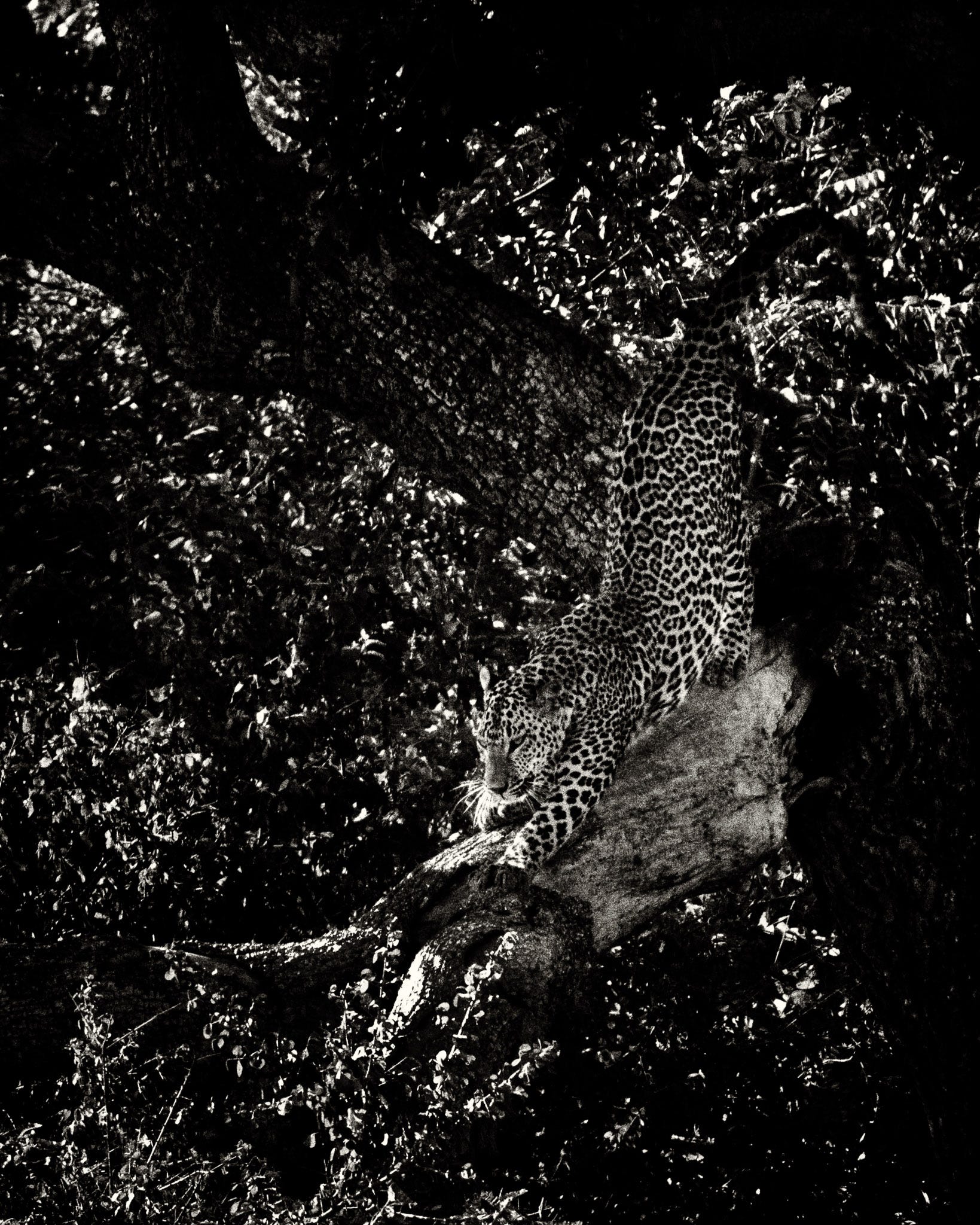
I shoot mainly black and white on slow, 3-5 captures-per-second, medium format cameras. I consider composition, of course, but I think of the final print, too. Does it have contrast, foreground elements, texture and patterns. But if I feel it falls short of a fine art print, I just pass the shot and look elsewhere. Will I miss some great action shots in Tanzania? Of course. But since I no longer do editorial photography, I now have the luxury of taking a few deep breaths before choosing my shot. I can be fully present in the glorious moment without restricting the experience through the viewfinder.
So capturing that special photographic moment will undoubtedly be different for me than for you. That’s ok. As a young editorial photographer capturing the moment to me meant only one thing, the frantic focus on bringing home the money shot. But I’ve evolved over the years. Capturing the moment has evolved for me. That’s my story, anyway. What’s yours?
You may not convey the sounds and the smells to your viewers, but I bet you remember them both intimately well each time you view your images. And to some degree, isn't that the magic of photography? And, even if you don't convey sounds and smells to the viewers, if they have an open mind and an imagination, and invest those resources in the interpretation of your image, then they too can experience the wonder of your images. That is a treasure too.
Really appreciate this one. Great thoughts well conveyed. Video can have it all over still images for storytelling. But who remembers Tank Man as video? The well regarded still image can hold all the power if only the viewer will look. I liked your description of the sounds and smells. Some years ago I was shooting thoroughbred horse racing and the powerful ground-shaking of the running horses was amazing. But not easily captured. Yet there were still images available to convey that, like the grim faces of jockeys covered in mud thrown up from the hooves of the horse in front. It depends a lot on really looking.