

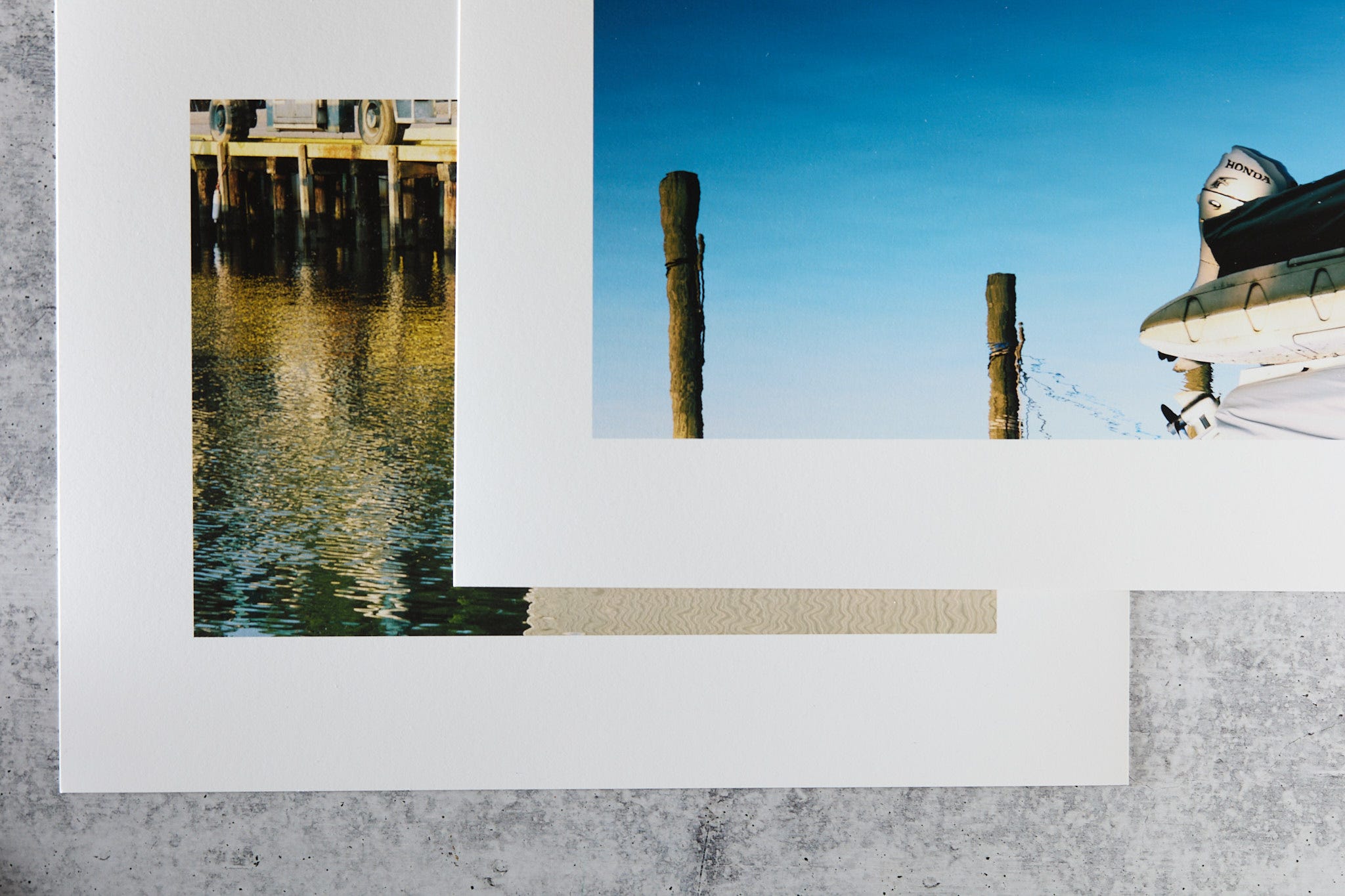
My revelation that the bright whiteness of the Arches line of Canson papers was not fueled by optical brightening agents (OBAs) began while producing a personal project. I wasn’t merely playing with papers. I was finalizing a project born a few years ago. I was closing in on my final editorial selections and decided to print the photographs I was sure were selects, all twelve of them.
The paper I chose was Hahnemühle Museum Etching. They looked great, at least I thought so at first glance but something wasn’t sitting right. After living with a few of those “final” 11in x 14in prints for a week or so I started seriously questioning that paper choice. The texture of the Museum Etching, although beautiful in itself, wasn’t really mating well with the overall feel of the project. The texture was especially detracting from a few of my favorite images that had large areas of super smooth gradient color or neutrals.
I had a giant preconceived bias when starting the print production. That bias came from how well a different kind of texture worked with the parent project I had completed a few years ago worked with similar subject matter but very different pictures. Yes, both projects were color. Both projects were born out of my attempt to portray how my local environment felt. There was even a crossover in the color palette.
Too bad this new project needed something completely different because the overall feel is completely different. I got one thing right with the choice of Museum Etching. The color rendition was much more saturated with deeper blacks and more contrast, far more than the Awagami I used for the parent Watercolors project.
Back to the drawing board…
My first instinct was to make a couple of proofs on paper that was super smooth. The paper that came to mind was one of those matt baryta papers we tested a while ago. They are super smooth and may even have punchier contrast and colors. Flipping through the Canson sample book is the moment I came across the Arches 88. On a lark I looked up the specs, shocked that a paper this bright and punch had no OBAs.
I ordered a box. The day the “88” arrived I printed two proofs. I knew this was the paper I was going to use for the Watercolors Subversion project. Those are the two photographs I’ve been using for the review of the entire Canson Arches line. Today I’ll be wrapping up the comparisons of the Arches line with a truly unique matt paper; The ultra smooth, ultra white Canson Arches “88”.
Comparing Arches 88
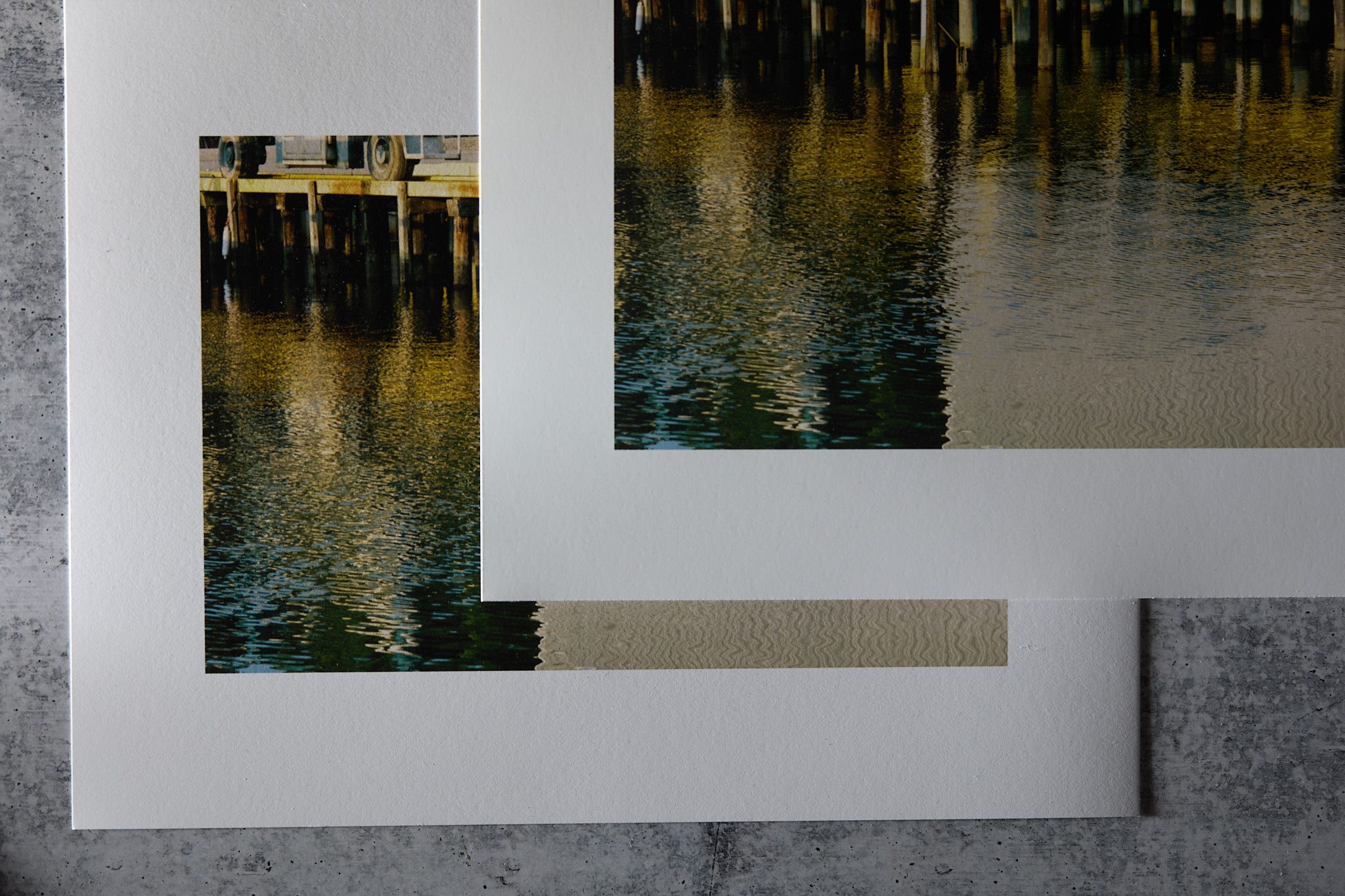
The other Arches papers I’ve studied so far absolutely fall into the textured category of papers. Arches 88 is the exact opposite. To illustrate just how smooth it is the primary comparison I was interested in was the other paper that came to mind when I stumbled on the “88”, Canson Matt Baryta.
Using hard, extreme side-lighting, and negative fill to exaggerate any texture whatsoever, Arches “88” and Matt Baryta are just about the same in terms of smoothness.1 With even a modest bit of fill light, there is no difference at all in surface texture. Both of these papers are super-smooth, about the smoothest surfaces of any material you can print on.
What’s even more surprising is that the Arches 88 is even whiter than the Matt Baryta.2 I guess that’s why I’ve assumed that the Arches papers were bright OBA papers when casually looking at them in the sample books for so long. Yes, baryta based papers are on the neutral white side of the fence but they look downright warm next to both OBA bright papers and the Arches 88 under any light that has even a hint of a blue component.
Color, contrast, DMAX, etc.
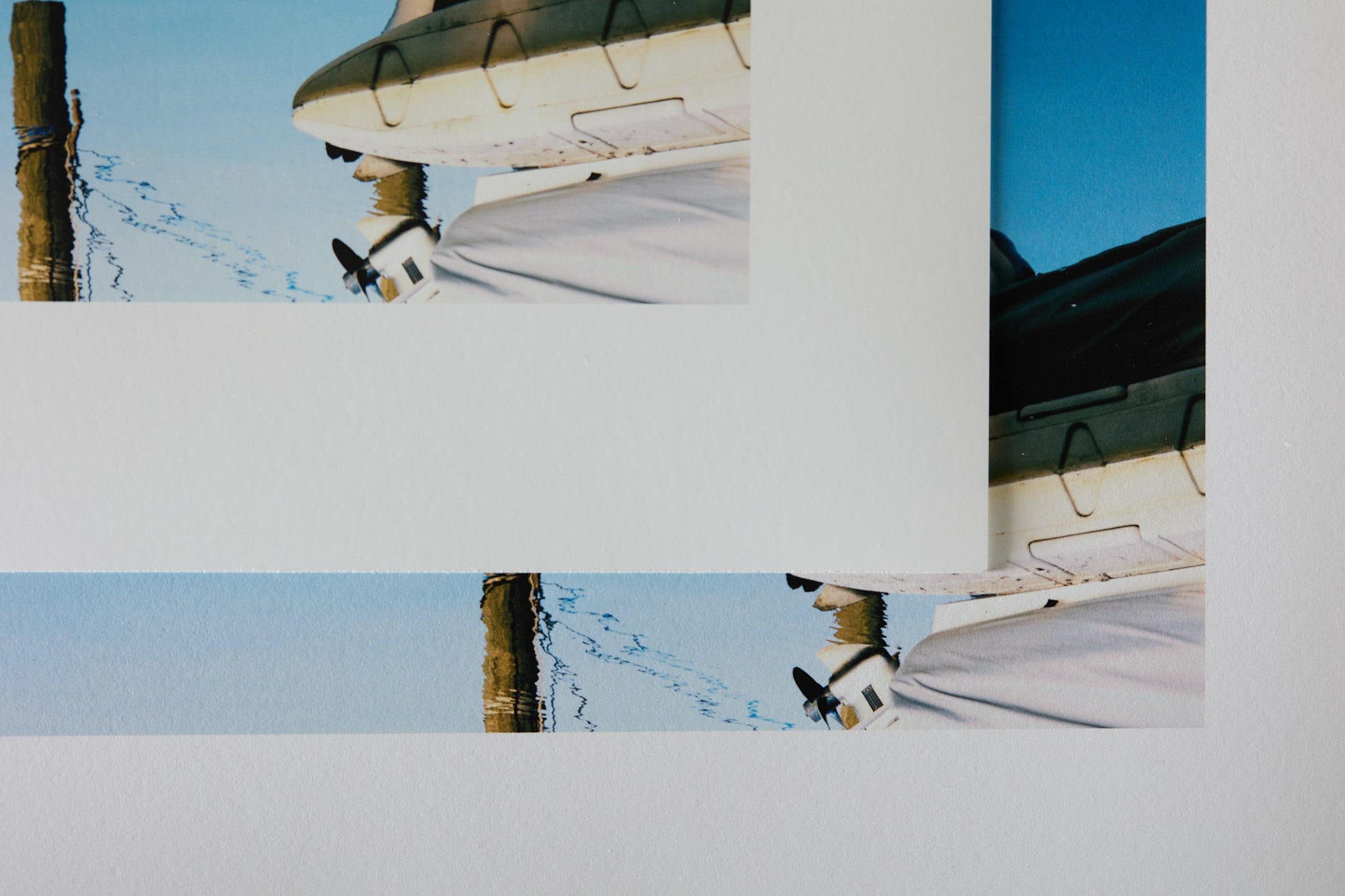
Instead of gauging the “88” against all other matt papers I’ll just summarize it against the Matt Baryta given that’s about as saturated, punchy, and as close as you’re going to get this side of a semi-gloss paper.
Blacks are of equal density
Overall contrast and apparent punchiness is the same
Gamut seems similar
Saturation of warm and cool tones is a toss up
The tiny bit of additional brightness might give a slight edge in perceived contrast the the “88”
Arches 88 is exactly the opposite paper you’d want to use for a softer look. Its properties are leaving me with a dilemma. When would I choose the Matt Baryta instead of “88”. After comparing the two directly under many lighting conditions the only answer I can give at the moment is, “I don’t know”, I really don’t!
There is one giant difference between these visually similar papers, the hand feel. With no doubt whatsoever, I’d choose the Arches 88 for any print that was going to be handheld. That might be a personal preference but I doubt it. My guess is that anyone would choose the more luxurious, softer feel of the “88”. I’m probably going to obsess over the question of which paper I’d choose for what circumstance until I come up with a good answer. Visually, they are very similar.
One more comparison
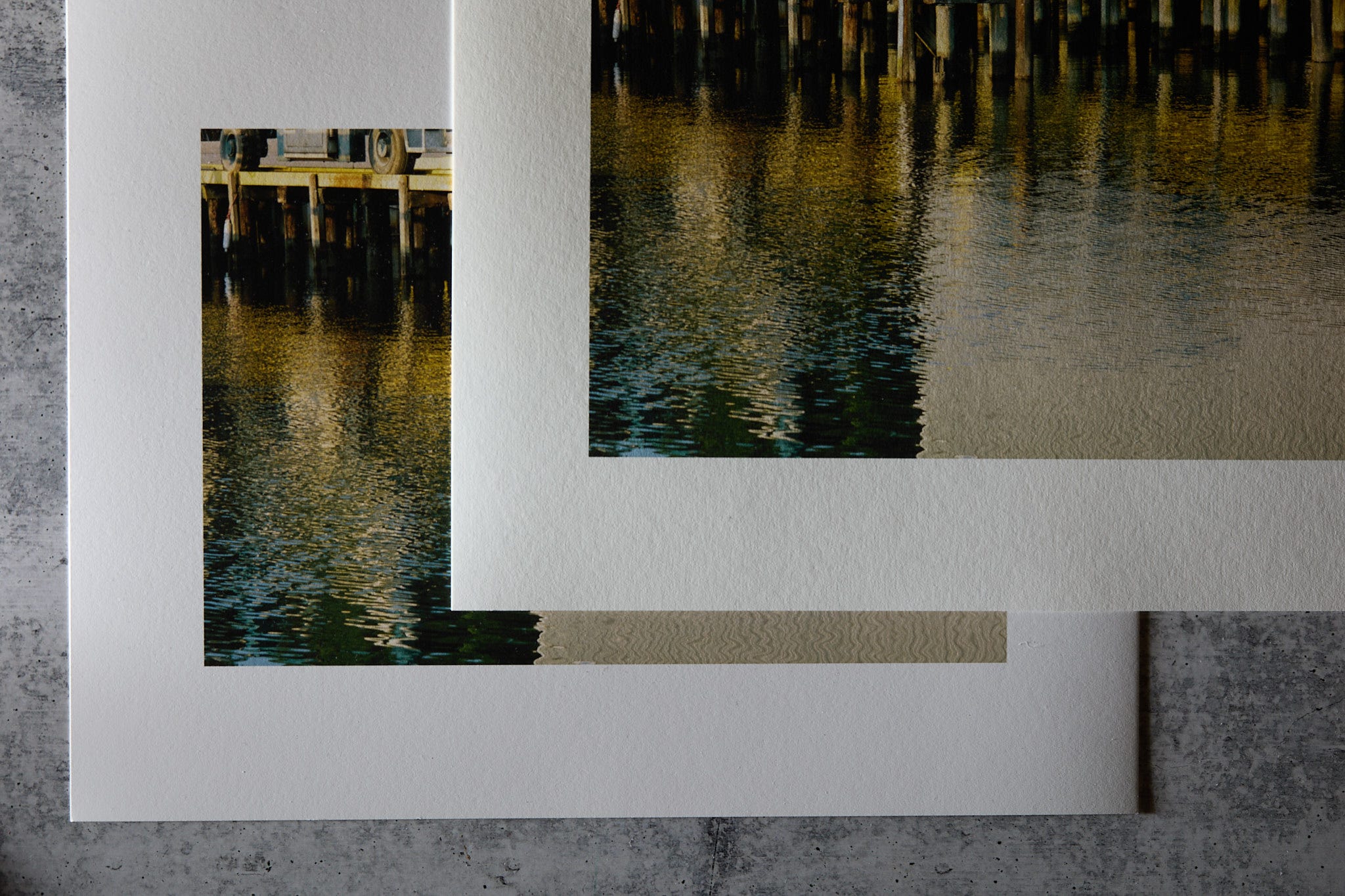
You might have guessed this was coming. A comparison of the “88” with our studio standard, Moab Entrada Natural. As a bonus, I’ll also compare the “88” to Moab Entrada Bright, just to show how white the “88” is. Technically the “88” isn’t the whitest of the Arches line, that honor goes to the BFK Rives. Visually, and even side-by-side the “88” is so similar in whiteness it’s difficult to tell in all but the most perfect conditions. Even under lab conditions your perception between the two might change just flipping the prints around.
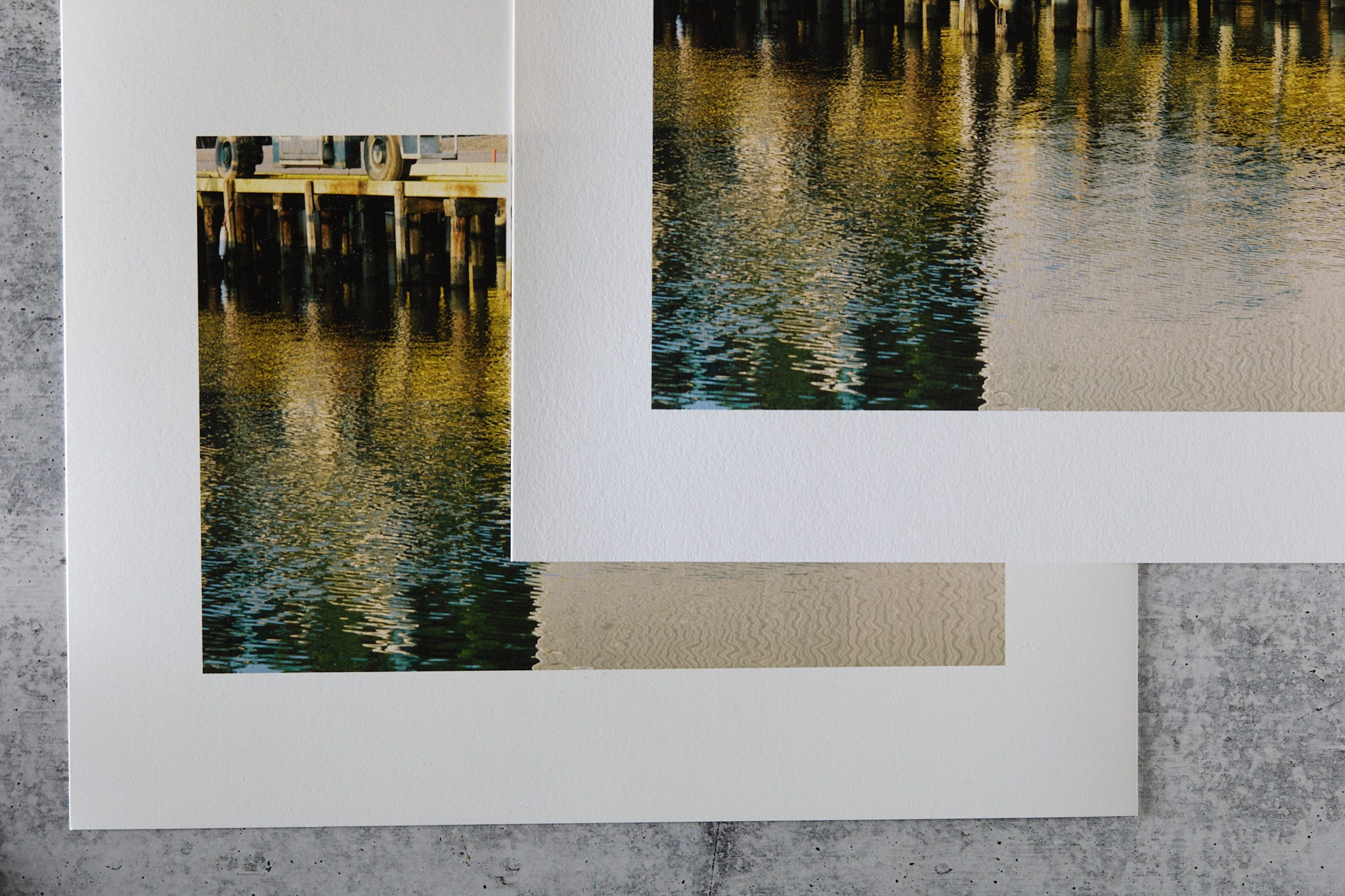
Both Entrada papers would definitely be considered smooth matt papers. Compared to “88” the Entrada looks almost textured, that’s how smooth the “88” is. Compared to the “88” the Entrada Natural is almost yellow given how warm it is. Compared to the Entrada Bright you can see how I thought it was a bright OBA boosted paper. You can see a hint of the blueness in the Entrada Bright, it does have an edge in overall brightness and punch in the highlights but it’s not something that is night and day.
Note that I have gone to great measure to use a broad spectrum light with very little blue bias in these comparisons. I also balanced the color to a neutral gray color target, not the papers. If I used a different strobe such as my Profoto D2 lights or any kind of speed light that has a narrower spectrum and far higher color temperature, the Entrada Bright would show a much higher blue bias as well. I wanted to be as fair as possible and represent all these papers as you’d seem them visually in daylight or a controlled viewing booth.
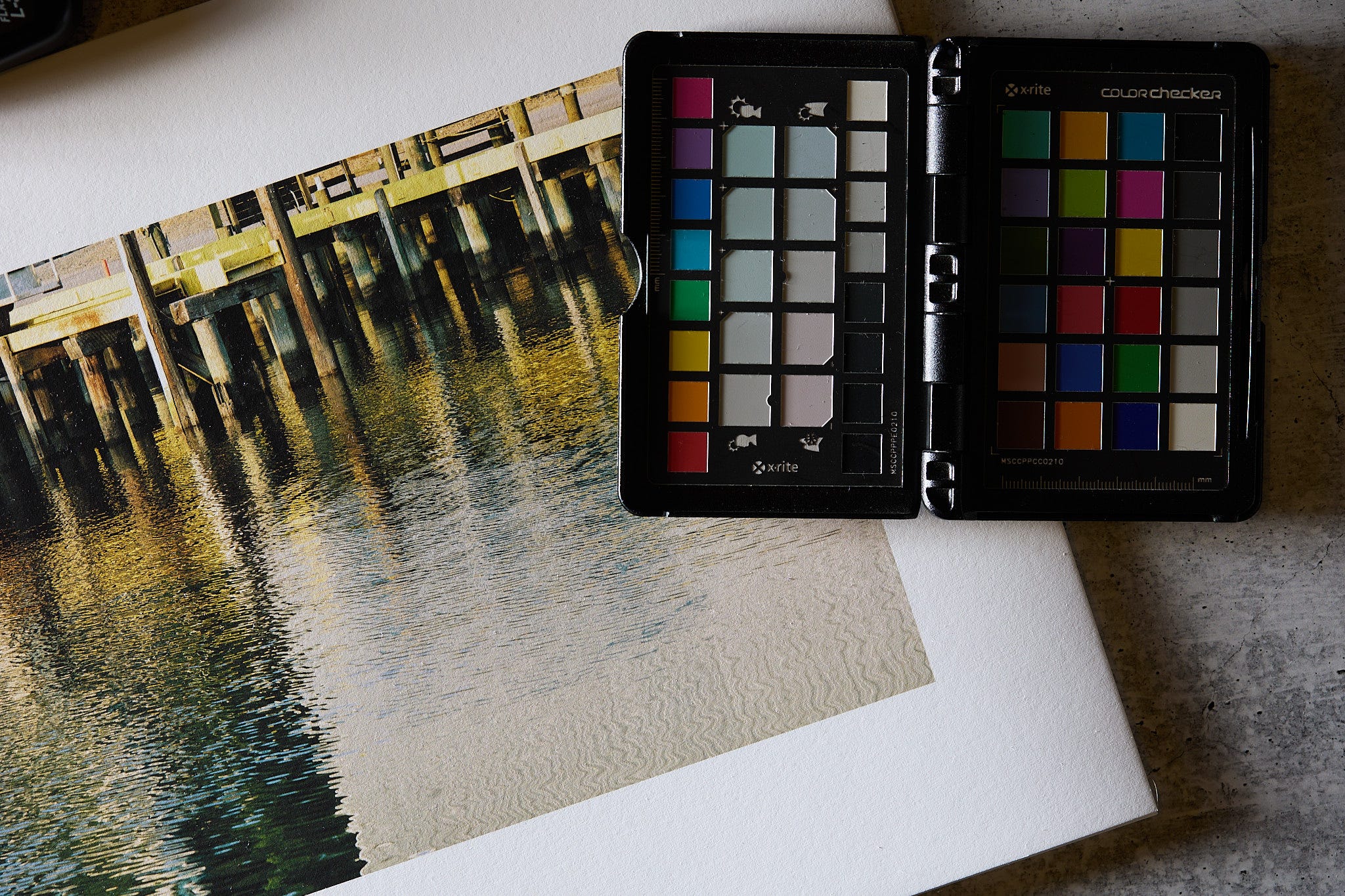
Lighting was a Broncolor Unilite strobe head at 90° across the surface of the papers with a Mola 16in Rayo reflector 7ft away on the left and a black negative fill card just out of frame to exaggerate any surface texture with extreme contrast. ↩︎
For illustrations that reduced contrast to show base color, saturation, and dmax a white reflector was used camera right with the same lighting setup as described above. ↩︎
If +1 for “88” and BFK pure white. I tried them at a workshop and was totally sold on them.
What Canson sample book are you referring to? Sounds as though I should order one.
Thanks.